How to Chase a Target in Cricket: Complete Strategy Guide for ODI & T20
How to Chase a Target in Cricket (Complete Strategy Guide)
Chasing a target in cricket is one of the most exciting parts of the game. Whether it’s a tense T20 finish or a calculated ODI pursuit, successful run chases require strategy, calmness, and smart decision-making.
Many matches are won not by big hitters, but by teams who understand how to manage the required run rate, rotate strike, and handle pressure.
This guide explains how to chase a target in cricket step by step, covering ODI and T20 formats.
🏏 What Does Chasing a Target Mean?


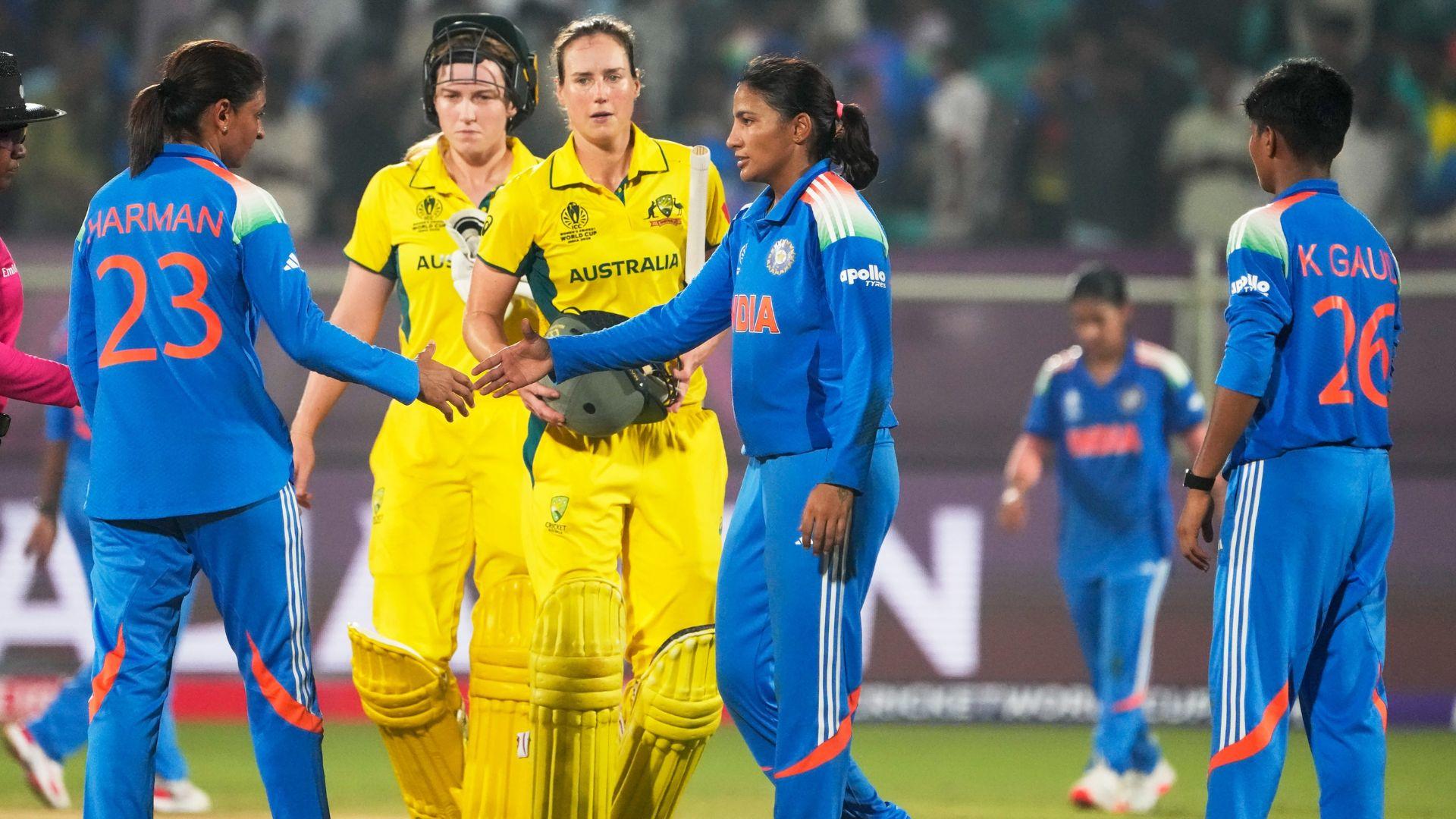
Chasing a target means batting second and attempting to score more runs than the first team.
For example:
Team A scores 180 runs.
Team B must score 181 to win.
The pressure is different when chasing because:
You know the exact target.
Required run rate keeps changing.
Time (overs) is limited.
🧠 Step 1: Understand the Required Run Rate
The first rule of chasing is understanding the Required Run Rate (RRR).
Formula:
Required Run Rate = Runs Needed ÷ Overs Remaining
If:
120 runs needed in 20 overs
RRR = 6 runs per over
If RRR is under control, stay calm.
If RRR rises above 9–10 (T20), pressure increases.
➡️ Also read: Run Rate vs Required Run Rate Explained
📊 Step 2: Break the Target Into Small Phases
Instead of thinking:
“We need 200 runs.”
Think:
50 runs in first 6 overs
80 runs in next 8 overs
70 runs in last 6 overs
Breaking the target reduces mental pressure.
Professional teams chase in phases.
🏏 Step 3: Smart Powerplay Approach



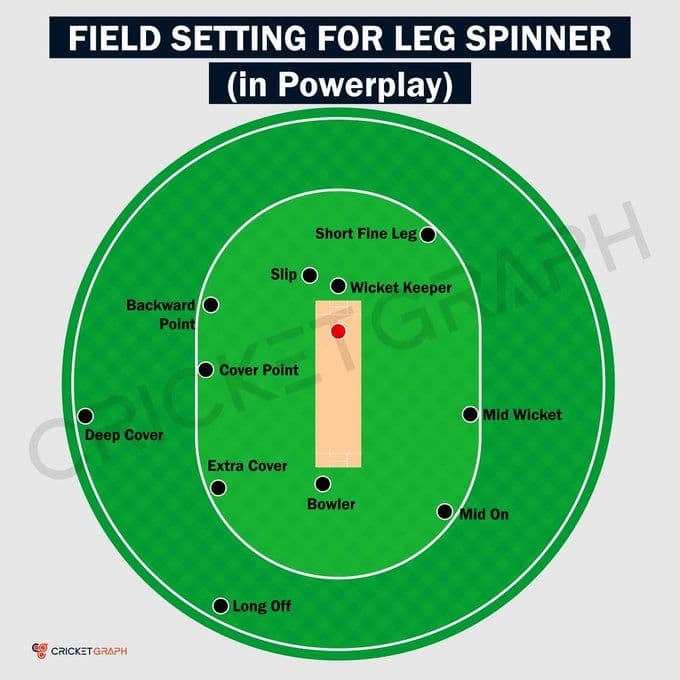
Powerplay is critical in limited-overs cricket.
During Powerplay:
Only 2 fielders allowed outside circle (T20)
Gaps available
Easier to score boundaries
Strategy:
✔ Attack loose balls
✔ Rotate strike
✔ Avoid reckless shots
Losing early wickets makes chase difficult.
➡️ Also read: What Is Powerplay in Cricket?
🏏 Step 4: Maintain Strike Rotation
Boundaries look good, but singles win chases.
Strike rotation:
Reduces dot balls
Prevents pressure build-up
Keeps RRR stable
If you score 1 run per ball:
6 runs per over without boundaries.
Smart singles prevent panic later.
🏏 Step 5: Build Partnerships
Chases collapse when wickets fall quickly.
Good partnerships:
Share pressure
Rotate strike
Punish bad deliveries
Even a 50-run partnership can change the match.
⚖️ Step 6: Balance Risk vs Reward
Not every ball should be attacked.
Ask:
Is this bowler dangerous?
Is the fielder placed deep?
Is RRR under control?
Taking unnecessary risks early leads to collapse.
🏏 Step 7: Identify Weak Bowlers
Every bowling attack has:
Strike bowlers
Support bowlers
Attack weaker bowlers to:
Reduce RRR
Build momentum
Avoid attacking best bowler
Smart teams target specific overs.
🏏 Step 8: Handle Middle Overs Carefully (ODI)
In ODI cricket:
Middle overs (11–40) are crucial
Field spreads out
Singles and doubles available
Don’t slow down too much.
Aim for 4–6 runs per over consistently.
🔥 Step 9: Plan the Final Overs (Death Overs)



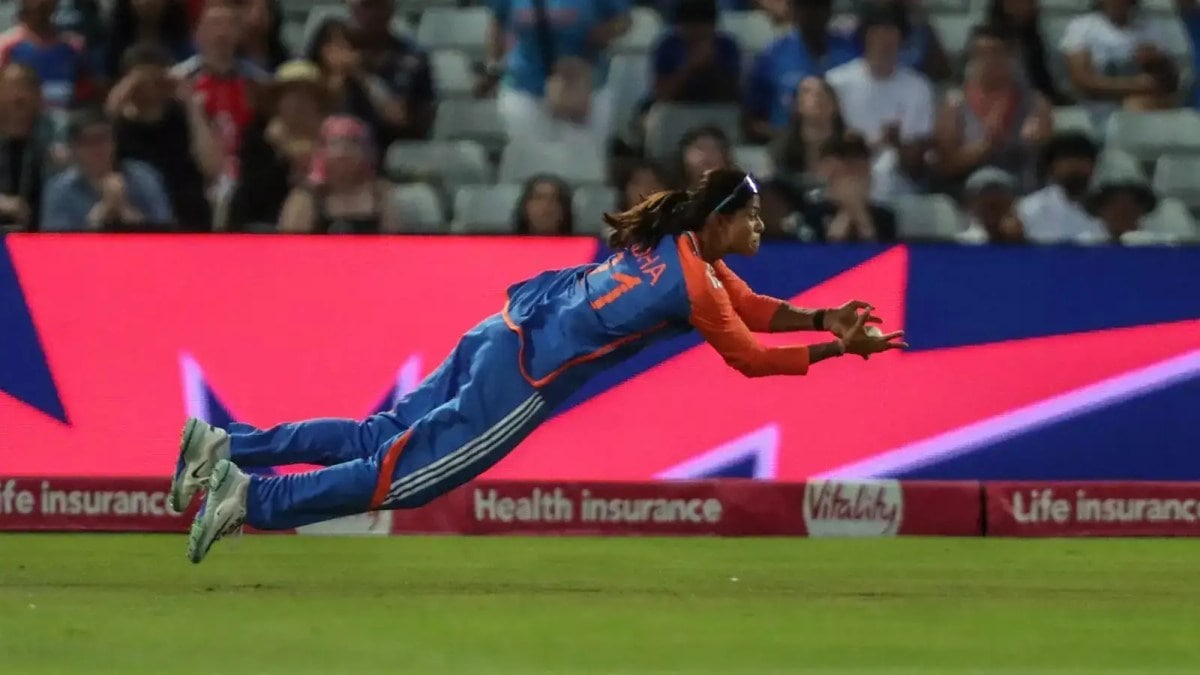
Death overs decide T20 matches.
If 50 runs needed in last 5 overs:
You need:
10 runs per over.
Strategy:
✔ Keep set batter on strike
✔ Avoid dot balls
✔ Target boundary overs
Finisher’s role becomes crucial.
🧘 Step 10: Stay Calm Under Pressure
Chasing pressure creates mistakes.
Good teams:
Stay calm
Focus on process
Ignore crowd noise
Think ball-by-ball
Mental strength is as important as skill.
🏏 Chasing in Different Formats
🔹 T20 Cricket
High required run rate common
Boundaries essential
Strike rotation prevents collapse
Aggressive but controlled approach.
🔹 ODI Cricket
Longer innings
Phase-based planning
Build foundation first
Patience matters more.
🔹 Test Cricket
Chasing in Tests is rare but difficult.
Pitch deteriorates
Defensive mindset
Survive and build gradually
➡️ Also read: Test vs ODI vs T20 Differences
📈 How Data Helps in Modern Chasing
Modern teams use:
✔ Required run rate tracking
✔ Match-up analysis
✔ Data on bowler weaknesses
✔ Field placement patterns
Technology improves chase planning.
🏆 Famous Successful Run Chases
Some legendary chases include:
ICC Cricket World Cup Final 2011
ICC Cricket World Cup Final 2019
Indian Premier League high-scoring thrillers
These matches show how calm execution wins games.
❌ Common Mistakes While Chasing
❌ Panic after dot balls
❌ Over-attacking early
❌ Ignoring strike rotation
❌ Not calculating RRR
❌ Losing wickets in clusters
Avoiding mistakes is as important as scoring.
🏏 Role of Captain While Chasing
The captain:
Decides batting order
Promotes aggressive batters
Manages strike
Controls tempo
Leadership plays key role.
📊 Example of Perfect Chase Strategy
Target: 180 in 20 overs
Plan:
Powerplay → 50/1
Middle overs → 100/2 after 15 overs
Final 5 overs → 80 runs needed
If wickets in hand → aggressive finish
If wickets lost → controlled aggression
📝 Quick Summary
✔ Break target into small goals.
✔ Maintain strike rotation.
✔ Attack weak bowlers.
✔ Keep wickets in hand.
✔ Plan death overs carefully.
✔ Stay calm under pressure.
Comments
Post a Comment