How Runs Are Scored in Cricket (Complete Beginner Guide)
Scoring runs is the most important part of cricket. The team that scores more runs than the opposition wins the match. But if you're new to the game, you might wonder — how exactly are runs scored in cricket?
Runs can be scored in several ways: by running between the wickets, hitting boundaries, or even through extra runs awarded due to bowling mistakes.
This guide explains how runs are scored in cricket in simple terms, including all types of scoring methods.
🏏 Basic Concept: What Is a Run?
A run is the basic unit of scoring in cricket. Batters score runs when they:
Hit the ball and run between the wickets
Hit the ball to the boundary
Receive extra runs due to bowling errors
The total number of runs scored determines the team's final score.
🏃 1. Running Between the Wickets



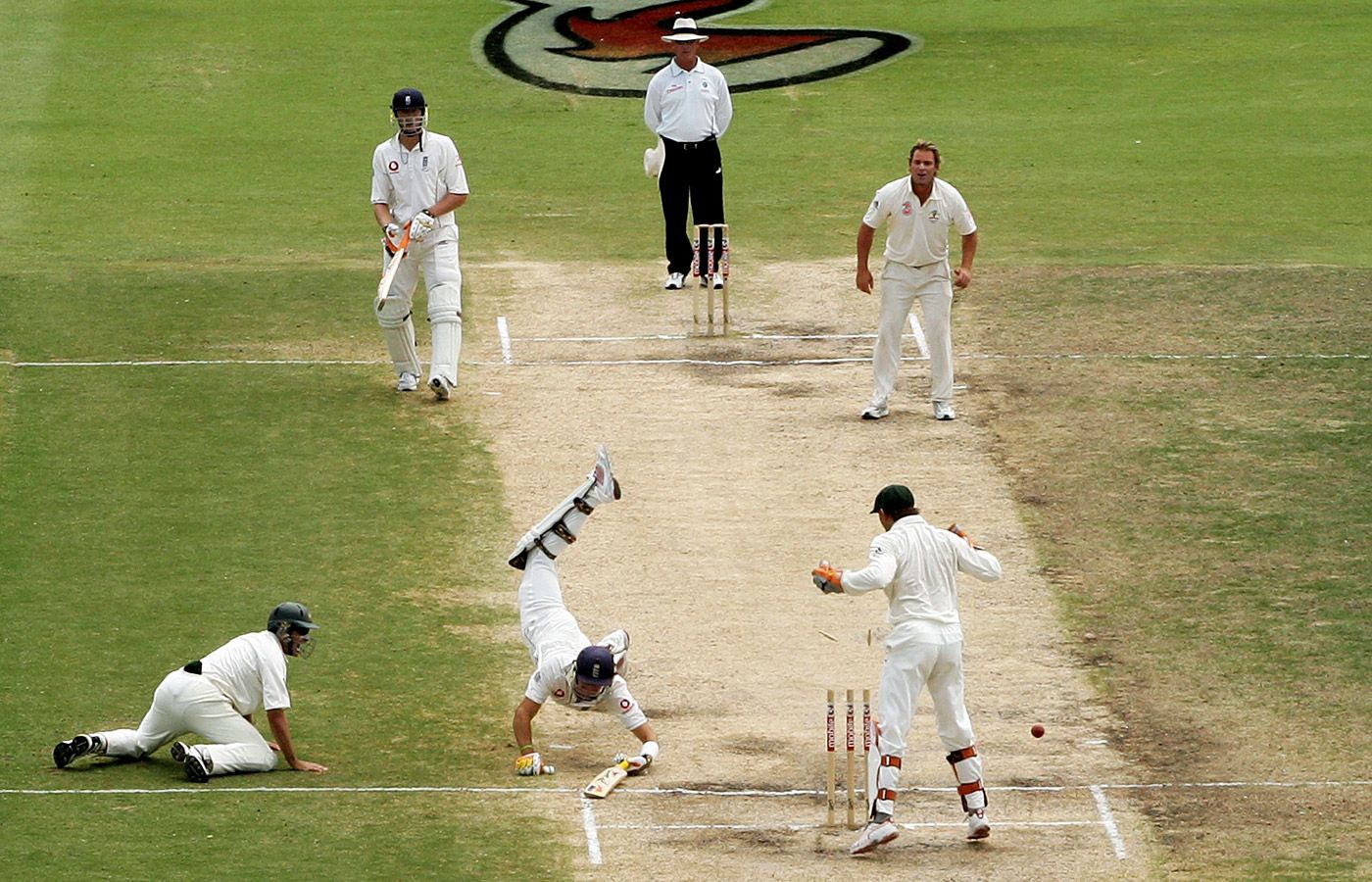
The most common way to score runs is by running between the wickets.
How It Works:
The batter hits the ball.
Both batters run to the opposite end of the pitch.
If both safely reach the other crease, 1 run is scored.
They can run multiple times before the fielding team returns the ball.
Types of Runs:
1 run = Single
2 runs = Double
3 runs = Triple
Quick running and good communication are essential.
🏏 2. Boundary Runs (Four & Six)



A batter can score runs instantly by hitting boundaries.
🔹 Four (4 Runs)
If the ball touches the ground and then crosses the boundary rope, the batting team scores 4 runs.
🔹 Six (6 Runs)
If the ball crosses the boundary rope without touching the ground, the team scores 6 runs.
Boundaries are the fastest way to increase the score.
➕ 3. Extra Runs in Cricket
Runs can also be awarded without the batter hitting the ball properly. These are called extras.
Types of Extras:
✔ No Ball
If the bowler delivers an illegal ball (overstepping or improper action), the batting team gets:
1 extra run
Free hit (in limited-overs cricket)
✔ Wide Ball
If the ball is too far from the batter to hit, 1 extra run is awarded.
✔ Bye
If the ball passes the batter without touching the bat but the batters run, those runs are called byes.
✔ Leg Bye
If the ball touches the batter’s body (not bat) and they run, runs are leg byes.
➡️ Also read: What Is a No Ball in Cricket?
🔄 4. Overthrow Runs
Sometimes fielders throw the ball at the stumps to attempt a run-out, but the throw misses and travels away.
If the ball reaches the boundary due to a misfield or overthrow:
The batting team gets additional runs.
If it reaches the boundary, 4 extra runs are added.
Overthrows can dramatically change match momentum.
⚖️ 5. Penalty Runs
In rare cases, umpires award 5 penalty runs for serious rule violations such as:
Fielding side unfair conduct
Ball tampering
Obstruction
Penalty runs are added directly to the team’s total.
📊 How Runs Appear on the Scoreboard
A cricket score is displayed like this:
Team A: 150/3 (20 overs)
This means:
150 runs scored
3 wickets lost
20 overs completed
Run rate is calculated as:
Run Rate = Total Runs ÷ Overs Faced
🏏 Runs in Different Formats
🔹 Test Cricket
Unlimited overs
Focus on building long innings
🔹 ODI Cricket
50 overs per team
Balanced scoring pace required
🔹 T20 Cricket
20 overs per team
High scoring rate essential
➡️ Read: Test vs ODI vs T20 Explained
🧠 Strategy Behind Scoring Runs
Teams plan scoring carefully:
✔ Rotate Strike
Taking singles keeps scoreboard moving.
✔ Target Weak Bowlers
Score more runs against weaker bowlers.
✔ Accelerate in Powerplay
Field restrictions allow more boundaries.
✔ Finish Strong
Final overs are used to maximize scoring.
➡️ Also read: What Is Powerplay in Cricket?
🏆 Importance of Strike Rotation
Strike rotation prevents pressure from building.
If batters face too many dot balls:
Required run rate increases
Risky shots increase
Wicket chances increase
Smart singles and doubles win matches.
🎯 What Happens If Scores Are Equal?
If both teams score the same runs:
In limited-overs cricket → Match tied
Super Over may be played
In Test cricket → Match declared a tie or draw
📌 Common Mistakes Beginners Make
❌ Thinking only boundaries matter
❌ Ignoring extras
❌ Not understanding leg byes
❌ Confusing run rate with total runs
Understanding all scoring types improves match knowledge.
📝 Quick Summary
✔ Runs are scored by running between wickets.
✔ Boundaries score 4 or 6 runs.
✔ Extras include no balls, wides, byes, and leg byes.
✔ Overthrows add additional runs.
✔ The team with more runs wins.
No comments:
Post a Comment