Difference Between Run Rate and Required Run Rate in Cricket Explained Simply
Difference Between Run Rate and Required Run Rate in Cricket
If you’ve watched a cricket match, especially limited-overs formats like ODIs or T20s, you’ve likely heard commentators mention run rate and required run rate. These numbers play a crucial role in understanding match progress and predicting outcomes.
While they may sound similar, they represent different aspects of scoring and strategy.
This guide explains what run rate and required run rate mean, how they are calculated, and why they matter.
🏏 What Is Run Rate in Cricket?


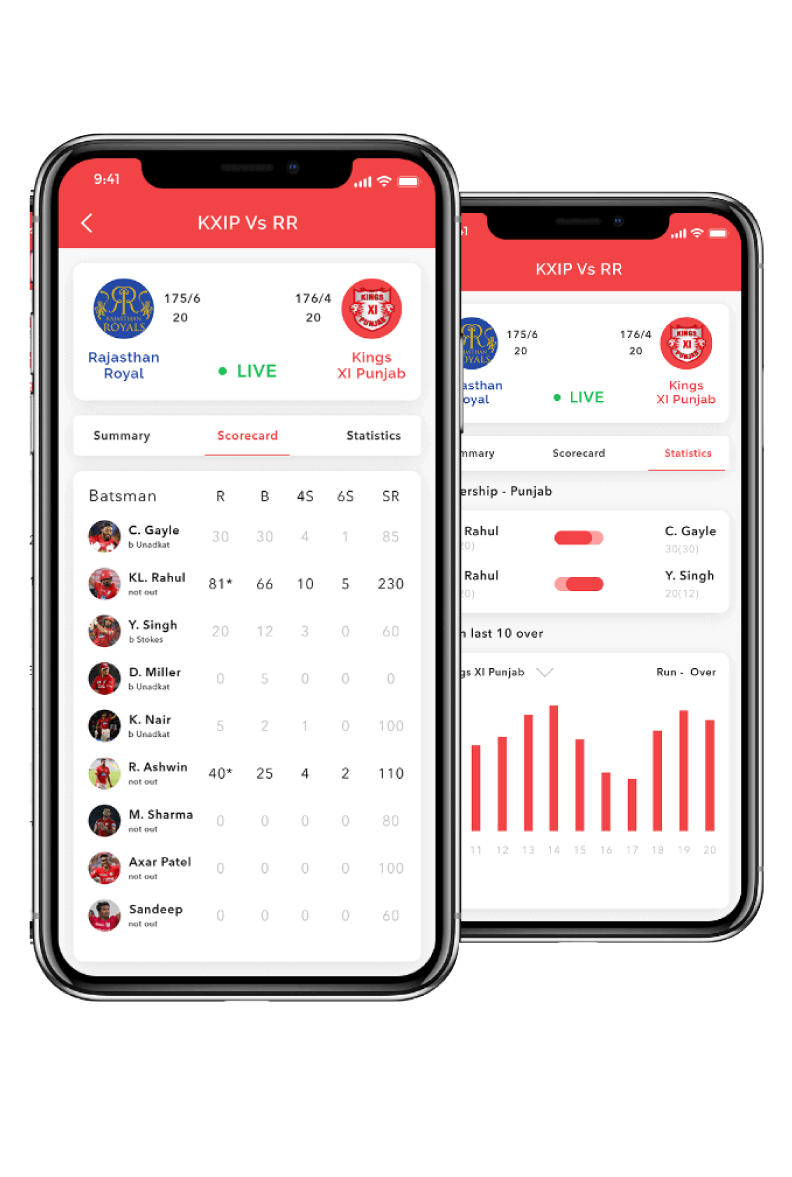
Run rate measures how quickly a team is scoring runs.
👉 It shows the average number of runs scored per over.
✅ Run Rate Formula:
Run Rate = Total Runs Scored ÷ Overs Faced
📊 Example:
If a team scores 120 runs in 20 overs:
Run Rate = 120 ÷ 20 = 6 runs per over
🏏 Why Run Rate Is Important
Run rate helps teams and fans understand scoring speed.
✔ Shows batting performance
Higher run rate indicates aggressive scoring.
✔ Helps compare innings
Teams compare scoring pace with opponents.
✔ Important in tournaments
Net Run Rate (NRR) determines standings.
➡️ Read: What Is Net Run Rate in Cricket? (internal link)
🏏 What Is Required Run Rate?
Required Run Rate (RRR) applies during a run chase.
It shows how quickly the batting team must score to reach the target.
👉 It tells the runs needed per over to win.
✅ Required Run Rate Formula:
Required Run Rate = Runs Needed ÷ Overs Remaining
📊 Example:
Target = 180
Runs scored = 100
Overs remaining = 10
Runs needed = 80
Required Run Rate = 80 ÷ 10 = 8 runs per over
🏏 When Is Required Run Rate Used?
Required run rate is used only during:
✔ Second innings of ODIs & T20s
✔ Run chases
✔ DLS-adjusted targets
✔ Close matches
It helps teams plan their chase.
🏏 Run Rate vs Required Run Rate — Key Differences
| Feature | Run Rate | Required Run Rate |
|---|---|---|
| Meaning | Current scoring speed | Needed scoring speed |
| Used when | Any innings | Only during chase |
| Purpose | Measure performance | Plan winning strategy |
| Calculation | Runs ÷ overs faced | Runs needed ÷ overs left |
| Strategy role | Track pace | Determine urgency |
🏏 How Run Rate Affects Match Strategy
Teams monitor run rate to:
✔ Maintain scoring momentum
✔ Build pressure on bowlers
✔ Avoid slowing down innings
✔ Set competitive totals
A strong run rate builds scoreboard pressure.
🏏 How Required Run Rate Affects Chasing Strategy
Required run rate determines urgency.
✔ Low Required Run Rate (5–6)
Comfortable chase
Rotate strike
Avoid risky shots
✔ Medium Required Run Rate (7–9)
Balanced approach
Mix singles & boundaries
✔ High Required Run Rate (10+)
Aggressive batting required
Higher risk of wickets
🏏 What Happens When Required Run Rate Increases?
If batters score slowly:
✔ Required run rate rises
✔ Pressure builds
✔ Risky shots increase
✔ Chances of losing wickets grow
Maintaining pace is essential in a chase.
🏏 Run Rate vs Required Run Rate in T20 Cricket
In T20 matches:
✔ Run rate is naturally higher
✔ Required run rate can change quickly
✔ Powerplay overs influence scoring pace
✔ A single over can change match momentum
➡️ Also read: Powerplay Rules in Cricket (internal link)
🏏 Role in ODI Cricket
ODI matches require balance:
✔ Build innings early
✔ Accelerate in middle overs
✔ Finish strong in final overs
Required run rate helps plan the chase phase by phase.
🏏 Role in Test Cricket
Run rate matters less in Test cricket because:
✔ No fixed overs per innings
✔ Focus is on time and wickets
✔ Scoring speed depends on match situation
However, teams may accelerate scoring to force results.
🏏 How Commentators Use Run Rate Stats
Commentators use these metrics to:
✔ Predict match outcomes
✔ Analyze momentum shifts
✔ Evaluate batting performance
✔ Highlight pressure situations
Fans rely on these numbers to understand match dynamics.
🏏 Run Rate and Net Run Rate (NRR)
Net Run Rate is used in tournaments to rank teams.
Basic Concept:
NRR = (Team run rate) − (Opposition run rate)
A higher NRR improves qualification chances.
🏏 Common Mistakes Fans Make
❌ Confusing run rate with required run rate
❌ Ignoring overs remaining in a chase
❌ Not understanding how DLS affects required rate
Understanding both metrics improves match analysis.
🏏 Tips to Maintain a Healthy Run Rate
Batting teams should:
✅ Rotate strike regularly
✅ Avoid dot balls
✅ Target weak bowlers
✅ Accelerate during powerplays
✅ Finish innings strongly
Consistency is key to maintaining scoring pace.
🏏 Quick Summary
✔ Run rate shows scoring speed.
✔ Required run rate shows scoring needed to win.
✔ Run rate applies anytime; required run rate applies during chases.
✔ Required run rate increases pressure if scoring slows.
✔ Both metrics guide strategy and match decisions.
Comments
Post a Comment