Role of Captain in Cricket (Complete Guide to Leadership & Strategy)
The captain is the most important leader in a cricket team. While all players contribute on the field, the captain makes crucial decisions that influence the outcome of the match.
From choosing whether to bat or bowl first to setting field placements and managing bowlers, the captain controls the team’s strategy in real time.
This guide explains the role of a captain in cricket, their responsibilities, leadership qualities, and how captaincy differs across formats.
🏏 Who Is the Captain in Cricket?


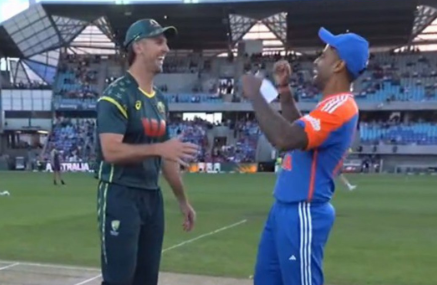
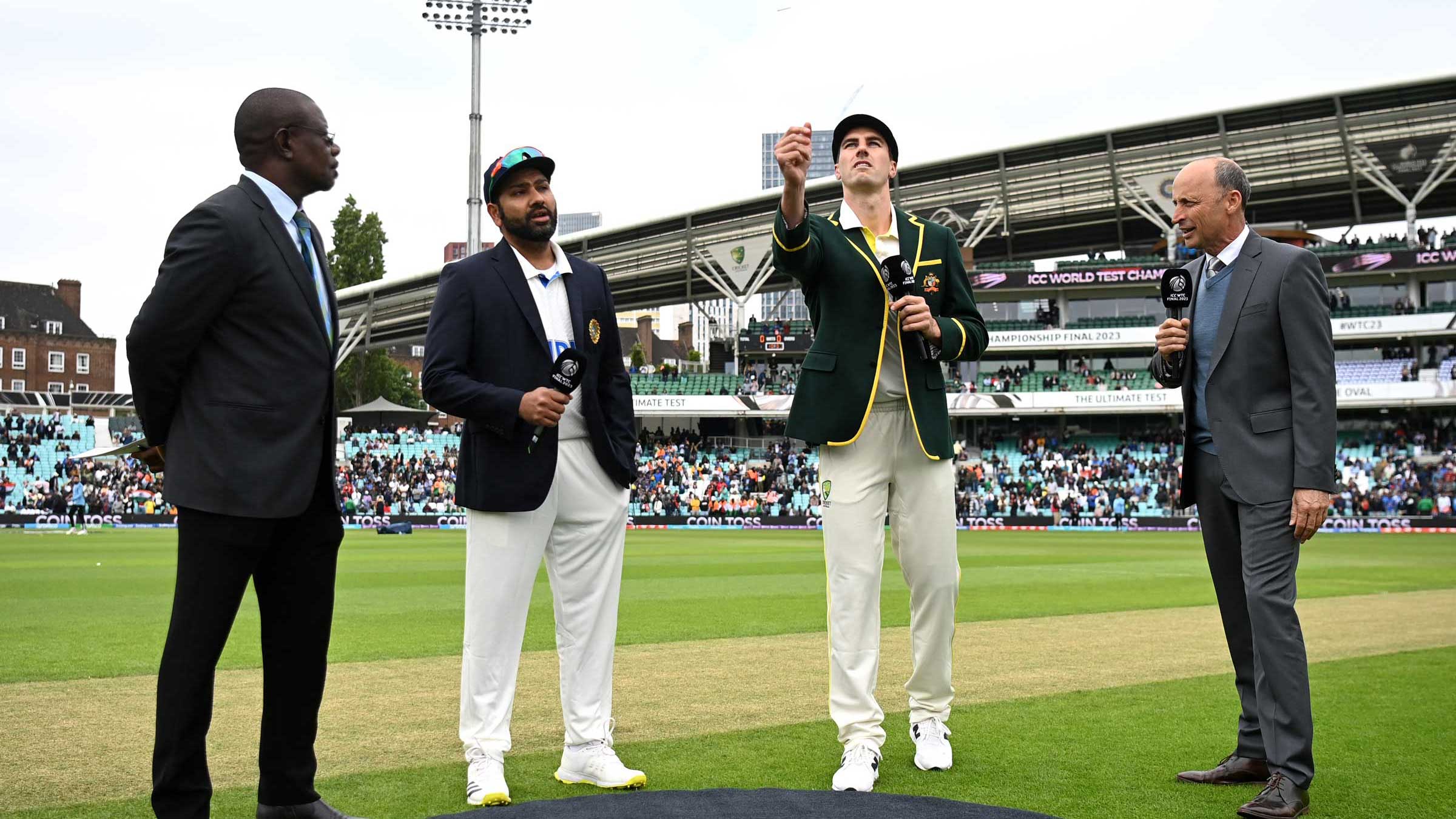
The captain is the designated leader of the team, responsible for:
Tactical decisions
Player management
Field placement
Match strategy
Unlike some sports, cricket captains have significant on-field authority.
🎯 1. Toss Decision
One of the first and most important duties is the toss.
The captain must decide whether to:
Bat first
Bowl first
This decision depends on:
Pitch conditions
Weather forecast
Dew factor
Team strengths
➡️ Also read: Why Toss Is Important in Cricket
A good toss decision can provide a major advantage.
🧠 2. Setting Field Placements
Field placement is a critical tactical responsibility.
The captain adjusts fielders based on:
Batter’s strengths
Bowler’s plan
Match situation
Required run rate
For example:
Attacking fields for new batter
Defensive fields in death overs
➡️ Also read: Cricket Fielding Positions Explained
Smart field placement creates pressure and wicket opportunities.
🏏 3. Bowling Changes
The captain decides:
Which bowler bowls next
When to use strike bowlers
How to manage overs
In T20 cricket, proper bowling rotation is essential to control run rate.
Good captains understand bowler strengths and weaknesses.
📊 4. Managing Match Strategy
Captains must constantly calculate:
Required run rate
Overs remaining
Wickets in hand
Field restrictions
➡️ Also read: Run Rate vs Required Run Rate
They adapt strategies mid-match depending on conditions.
🧩 5. Motivating Players
Leadership is not just tactical.
The captain must:
Encourage bowlers
Calm nervous batters
Maintain team morale
Handle pressure situations
Confidence spreads from captain to team.
⚖️ 6. Decision Review System (DRS) Calls
In international cricket, captains decide whether to use DRS reviews.
They must judge:
Bowler confidence
Batter reaction
Umpire’s decision
A wrong review wastes opportunities.
🏏 7. Handling Pressure Situations
Captains shine in tight matches.
Examples include:
Defending small totals
Super overs
Final overs chases
A calm captain helps players perform better.
📈 Captain’s Role in Different Formats
🔹 Test Cricket
In Test matches, captaincy requires patience.
Plan long-term bowling spells
Set attacking fields
Control session momentum
Test captaincy is highly tactical.
🔹 ODI Cricket
In ODIs:
Balance aggression and caution
Manage middle overs
Rotate bowlers efficiently
Captains must read game tempo carefully.
🔹 T20 Cricket
T20 captaincy is fast-paced.
Quick decisions
Aggressive field settings
Flexible batting order
Small mistakes can cost the match.
➡️ Also read: Test vs ODI vs T20 Differences
🏆 Qualities of a Great Cricket Captain
✔ Tactical Intelligence
Understands game deeply.
✔ Calm Under Pressure
Controls emotions during tense moments.
✔ Communication Skills
Clear instructions to team.
✔ Trust in Players
Backs players even after mistakes.
✔ Adaptability
Adjusts strategy quickly.
🏏 Famous Cricket Captains
Some legendary captains include:
MS Dhoni – Calm and strategic
Ricky Ponting – Aggressive leadership
Eoin Morgan – Modern white-ball strategist
Clive Lloyd – Built dominant teams
Each captain had unique leadership style.
🏏 Batting Order Decisions
Captains often decide:
Who opens
Who bats at No. 3
When to promote hitters
Flexible batting orders help chase targets effectively.
➡️ Also read: How to Chase a Target in Cricket
🧮 Captain’s Role in Team Selection
Before the match, captains may influence:
Playing XI
Bowling combination
Spin vs pace balance
Team balance is crucial.
🧠 Captain vs Coach
Difference:
| Captain | Coach |
|---|---|
| On-field decisions | Off-field preparation |
| Tactical adjustments | Training & planning |
| Real-time strategy | Long-term strategy |
The captain executes plans during the match.
🏏 How Captains Build Winning Teams
Winning captains focus on:
Clear roles
Strong partnerships
Trust in players
Balanced team selection
Team unity is key.
🔥 Captaincy in High-Pressure Finals
In tournaments like:
ICC Cricket World Cup
Indian Premier League
Captain decisions determine trophy outcomes.
Finals test leadership quality.
🏏 Captain’s Role While Chasing
When chasing:
Keep calm
Rotate strike
Control required run rate
Promote right batter
Captain must read match tempo accurately.
🏏 Captain’s Role While Defending
When defending:
Set attacking fields
Use strike bowlers smartly
Slow down scoring
Maintain pressure
Good captains defend even small totals.
📌 Common Mistakes by Captains
❌ Delayed bowling changes
❌ Poor field placement
❌ Panic under pressure
❌ Overusing star bowlers
❌ Negative body language
Leadership requires balance.
📝 Quick Summary
✔ Captain leads team tactically and mentally.
✔ Makes toss, field, and bowling decisions.
✔ Adapts strategy to format and situation.
✔ Motivates players under pressure.
✔ Strong leadership often wins championships.
No comments:
Post a Comment