What Is Strike Rotation in Cricket? (Complete Guide)
Strike rotation is one of the most important batting strategies in cricket. While boundaries grab attention, smart teams win matches by rotating the strike effectively.
If you’ve heard commentators say, “They need to rotate the strike better,” this guide will explain exactly what that means.
In simple terms, strike rotation means taking singles and quick runs to change which batter is facing the next ball.
Let’s understand this in detail.
🏏 What Does Strike Mean in Cricket?

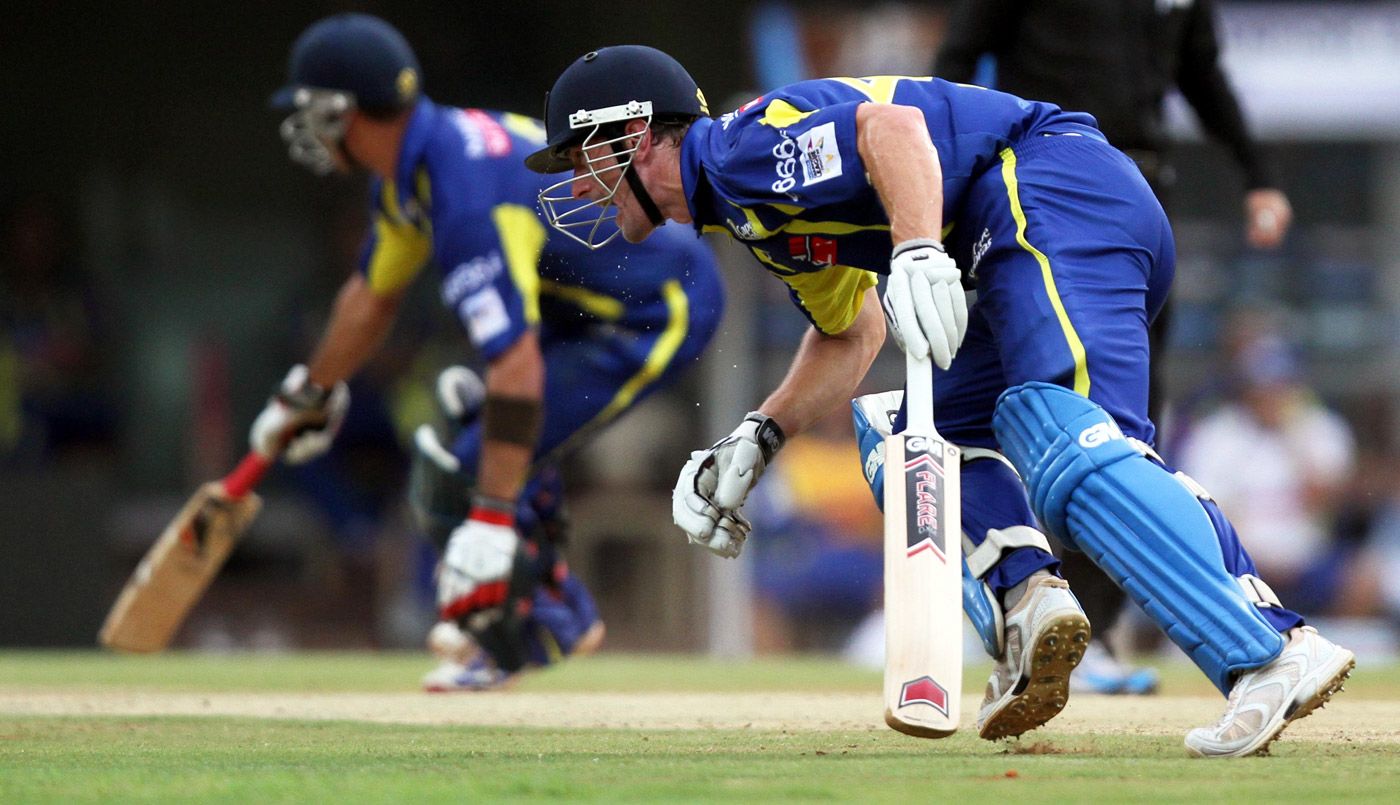


In cricket, the batter facing the bowler is said to be “on strike.” The other batter is called the “non-striker.”
When batters complete a single run (an odd number of runs), they change ends. This changes who faces the next ball.
That process is called strike rotation.
🏃 How Strike Rotation Works
Here’s a simple example:
Batter hits the ball into a gap.
Both batters run one run.
They switch ends.
The other batter now faces the next delivery.
If they score:
1 run → strike changes
2 runs → strike remains same
3 runs → strike changes
Odd-numbered runs rotate strike.
🏏 Why Is Strike Rotation Important?
Many beginners think only boundaries matter. But strike rotation plays a huge role in building innings.
1️⃣ Reduces Pressure
Dot balls increase pressure.
If a batter faces multiple dot balls:
Required run rate increases
Fielders become aggressive
Risky shots follow
Strike rotation keeps the scoreboard moving and reduces pressure.
2️⃣ Breaks Bowler Rhythm
Bowlers plan strategies for specific batters.
Rotating strike:
Disrupts bowler focus
Forces field changes
Makes it harder to settle into rhythm
This is especially important in limited-overs cricket.
3️⃣ Builds Partnerships
Successful partnerships rely on communication and quick running.
Two batters who rotate strike well:
Keep scoreboard active
Avoid stagnation
Maintain steady run rate
Many great batting partnerships are built on smart singles.
4️⃣ Protects Weaker Batter
Sometimes one batter is more skilled than the other.
By rotating strike strategically:
Strong batter faces more deliveries
Weak batter avoids pressure overs
This is common in T20 cricket.
🏏 Strike Rotation in Different Formats
🔹 Test Cricket
In Test matches:
Strike rotation reduces fatigue
Helps build long innings
Prevents bowlers from targeting one batter
Patience and strike rotation go hand in hand.
🔹 ODI Cricket
In 50-over matches:
Rotation in middle overs is crucial
Field spreads out after powerplay
Singles become easier
ODI teams focus heavily on rotating strike between overs 11–40.
🔹 T20 Cricket
In T20:
Strike rotation prevents dot-ball pressure
Helps manage high required run rates
Complements boundary hitting
Even aggressive batters rely on smart singles.
➡️ Also read: Run Rate vs Required Run Rate Explained
🧠 How to Improve Strike Rotation
Here are techniques professional batters use:
✔ 1. Play Into Gaps
Instead of hitting hard, batters:
Guide ball into open spaces
Soft hands to place ball
Use angles wisely
Placement matters more than power.
✔ 2. Quick Decision Making
Good communication is key.
Batters call loudly:
“YES”
“NO”
“WAIT”
Hesitation leads to run-outs.
✔ 3. Fitness and Speed
Fast running converts:
Singles into doubles
Good fielding into pressure
Fitness improves strike rotation success.
✔ 4. Soft Hands Technique
By controlling bat impact:
Ball drops near pitch
Fielders have less time
Easy single possible
Soft hands are critical in Test cricket.
🏏 Strike Rotation vs Boundary Hitting
| Strike Rotation | Boundary Hitting |
|---|---|
| Safe scoring | Risky scoring |
| Maintains momentum | Increases scoring quickly |
| Reduces pressure | Can increase pressure if mistimed |
| Builds partnerships | Changes match instantly |
The best teams balance both.
🏏 Strike Rotation and Powerplay
During powerplay:
Fielders restricted inside circle
Gaps available
Quick singles easy
After powerplay:
Field spreads
Singles become more important
➡️ Also read: What Is Powerplay in Cricket?
🏏 Common Mistakes in Strike Rotation
❌ Watching ball instead of calling early
❌ Poor communication
❌ Slow running
❌ Ignoring field placement
❌ Attempting risky second runs
Smart cricket requires awareness.
🏏 How Strike Rotation Controls Run Rate
If a team rotates strike every ball:
1 run per ball = 6 runs per over.
Even without boundaries, run rate stays healthy.
For example:
36 singles in 6 overs = 36 runs
That equals 6 run rate
Add boundaries → scoring accelerates.
🏏 Role in High-Pressure Chases
When chasing:
Required run rate must be controlled
Too many dot balls increase panic
Strike rotation prevents collapse
Experienced players focus on singles during tense moments.
🏏 Strike Farming (Advanced Concept)
Sometimes one batter tries to face most balls in an over.
Example:
Hit boundary early
Take single on 5th ball
Retain strike next over
This is called strike farming.
Used by experienced finishers.
🏏 Famous Players Known for Strike Rotation
Some batters are masters of strike rotation:
Virat Kohli
Kane Williamson
Joe Root
They combine placement, awareness, and fitness.
📝 Quick Summary
✔ Strike rotation means taking singles to change strike.
✔ Odd-numbered runs rotate strike.
✔ Reduces pressure and builds partnerships.
✔ Important in all formats of cricket.
✔ Placement and communication are key.
No comments:
Post a Comment