What Is Timed Out in Cricket? (Rules Explained Simply)
Timed out is one of the rarest ways a batter can be dismissed in cricket. Unlike other dismissals that occur during play, this happens when a new batter takes too long to arrive at the crease after a wicket falls.
Although uncommon, the timed out rule ensures the game continues smoothly without unnecessary delays.
This guide explains what timed out means, when it happens, and the rules every cricket fan should know.
🏏 What Does Timed Out Mean?
A batter is given timed out if they fail to be ready to face the next ball within the allowed time after the previous batter is dismissed.
👉 Simply put:
If the new batter doesn’t reach the crease in time, they can be declared out.
🏏 When Does a Timed Out Dismissal Occur?
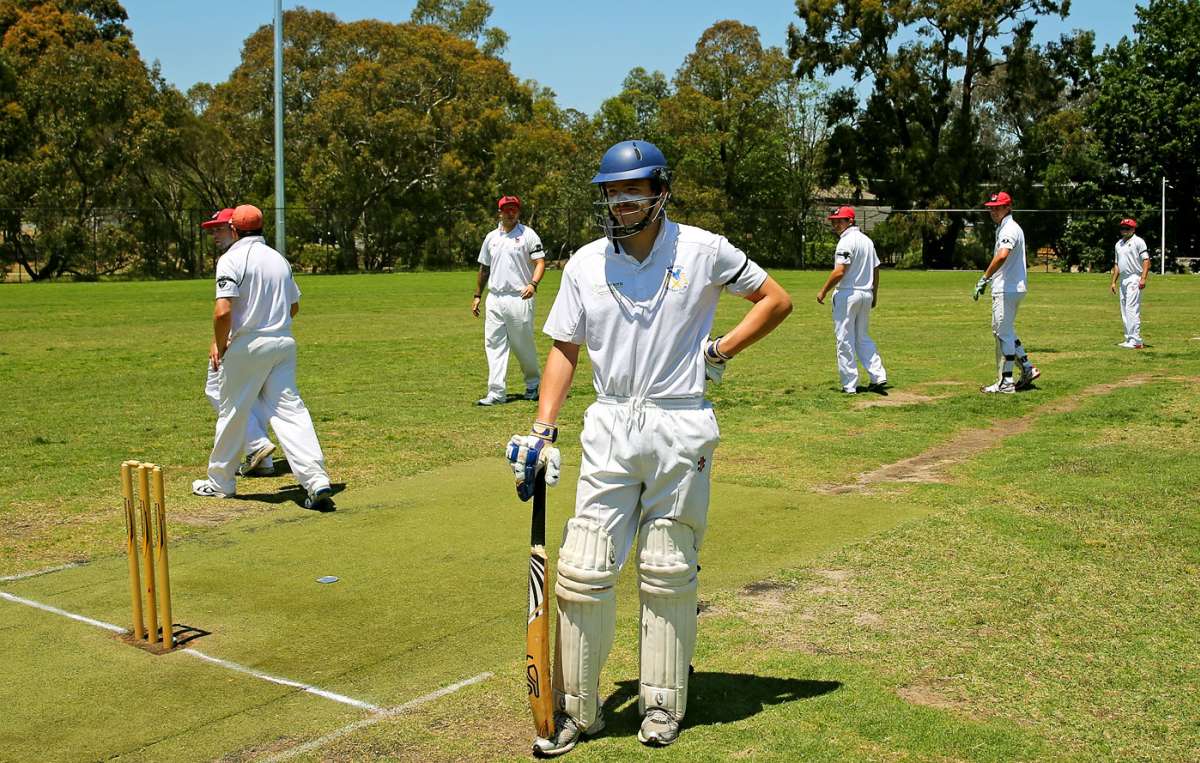
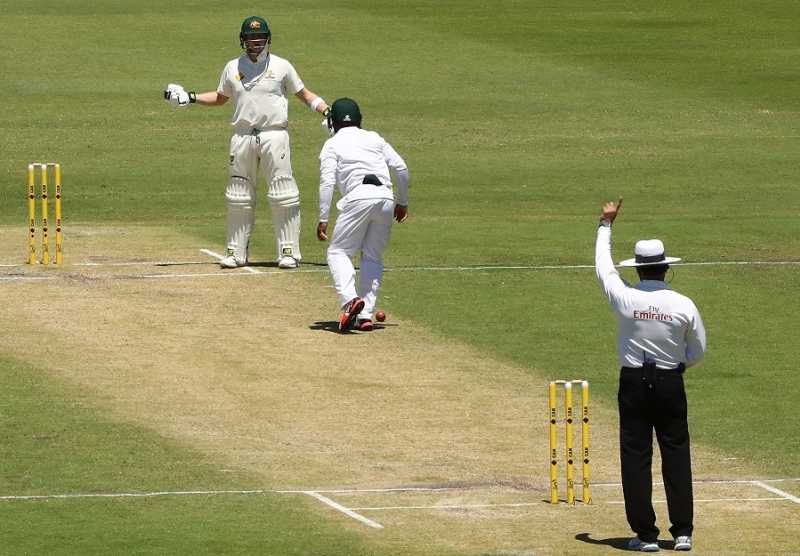
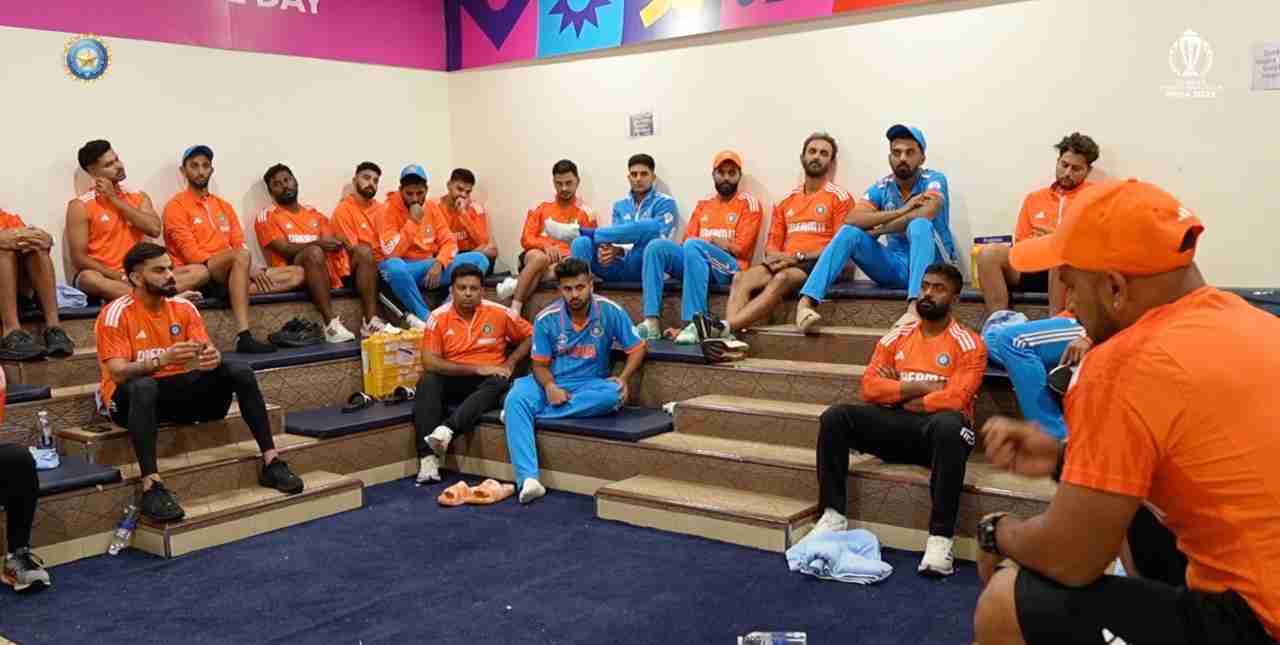

Timed out may occur when:
✅ 1. New Batter Delays Entering the Field
Slow preparation or confusion after a wicket.
✅ 2. Equipment Issues Cause Delay
Searching for gloves, helmet, or bat.
✅ 3. Confusion Over Batting Order
Team uncertainty about who should bat next.
✅ 4. Intentional Delay
Rare cases where teams attempt to slow the game.
🏏 Official Time Limit Rule
According to the Laws of Cricket:
✔ A new batter must be ready within 3 minutes of the previous dismissal.
✔ In T20 and ODI formats, playing conditions often reduce this to 2 minutes.
✔ The batter must be ready to face the ball — not just arrive at the pitch.
➡️ Match playing conditions may vary slightly by tournament.
🏏 Important Timed Out Rules
✔ Fielding Team Must Appeal
Umpires give the decision only after an appeal.
✔ Batter Must Be Ready to Play
Simply walking onto the field is not enough.
✔ Applies After Any Dismissal
Timed out can occur after any wicket falls.
✔ Umpire May Allow Delay for Valid Reasons
Injury or genuine equipment issues may be considered.
🏏 Timed Out vs Retired Out — What’s the Difference?
| Timed Out | Retired Out |
|---|---|
| Batter fails to arrive on time | Batter leaves field voluntarily |
| Occurs before facing a ball | Happens after batting begins |
| Requires fielding appeal | Team decision |
| Very rare | Rare but strategic |
➡️ Also read: Types of Dismissals in Cricket (internal link)
🏏 Real Timed Out Incidents in Cricket
Timed out dismissals are extremely rare but have occurred:
Angelo Mathews became the first player timed out in international cricket (2023 World Cup)
Domestic matches have seen batters dismissed after delays due to equipment issues
This incident brought global attention to the rule.
🏏 Why the Timed Out Rule Exists
The rule ensures:
✔ Matches run on schedule
✔ Teams avoid deliberate delays
✔ Fair play and discipline
✔ Smooth game flow
🏏 How Teams Avoid Being Timed Out
✅ Next batter pads up early
✅ Keep equipment ready
✅ Confirm batting order beforehand
✅ Respond quickly after a wicket
Professional teams prepare in advance to avoid this rare dismissal.
🏏 Why Timed Out Is So Rare
This dismissal is uncommon because:
✔ Teams prepare the next batter in advance
✔ Umpires may allow reasonable delays
✔ Players are aware of the time rule
✔ Spirit of cricket discourages appeals in minor delays
🏏 Quick Summary
✔ Timed out occurs when a new batter fails to reach the crease on time.
✔ Usually 2–3 minutes allowed depending on format.
✔ Fielding side must appeal for dismissal.
✔ One of the rarest dismissals in cricket.
No comments:
Post a Comment