Cricket Rules Explained Simply for Beginners (Easy Guide)


Cricket is one of the most popular sports in the world, but for beginners, the rules can feel confusing at first.
Words like over, LBW, no ball, strike rate, and powerplay may sound complicated when you watch a match.
Don’t worry.
In this guide, you’ll learn cricket rules explained in simple language, with clear examples. By the end, you will understand how cricket is played, how teams score runs, and how players get out.
What Is Cricket?
Cricket is a team sport played between two teams, each with 11 players.
One team bats to score runs
The other team bowls and fields to stop runs and take wickets
Teams switch roles after an innings ends
The team with more runs usually wins
Objective of the Game
The main objective in cricket is simple:
👉 Score more runs than the opposing team.
The batting team tries to score runs, while the bowling team tries to:
✔ take wickets
✔ stop runs
Cricket Field and Pitch Explained
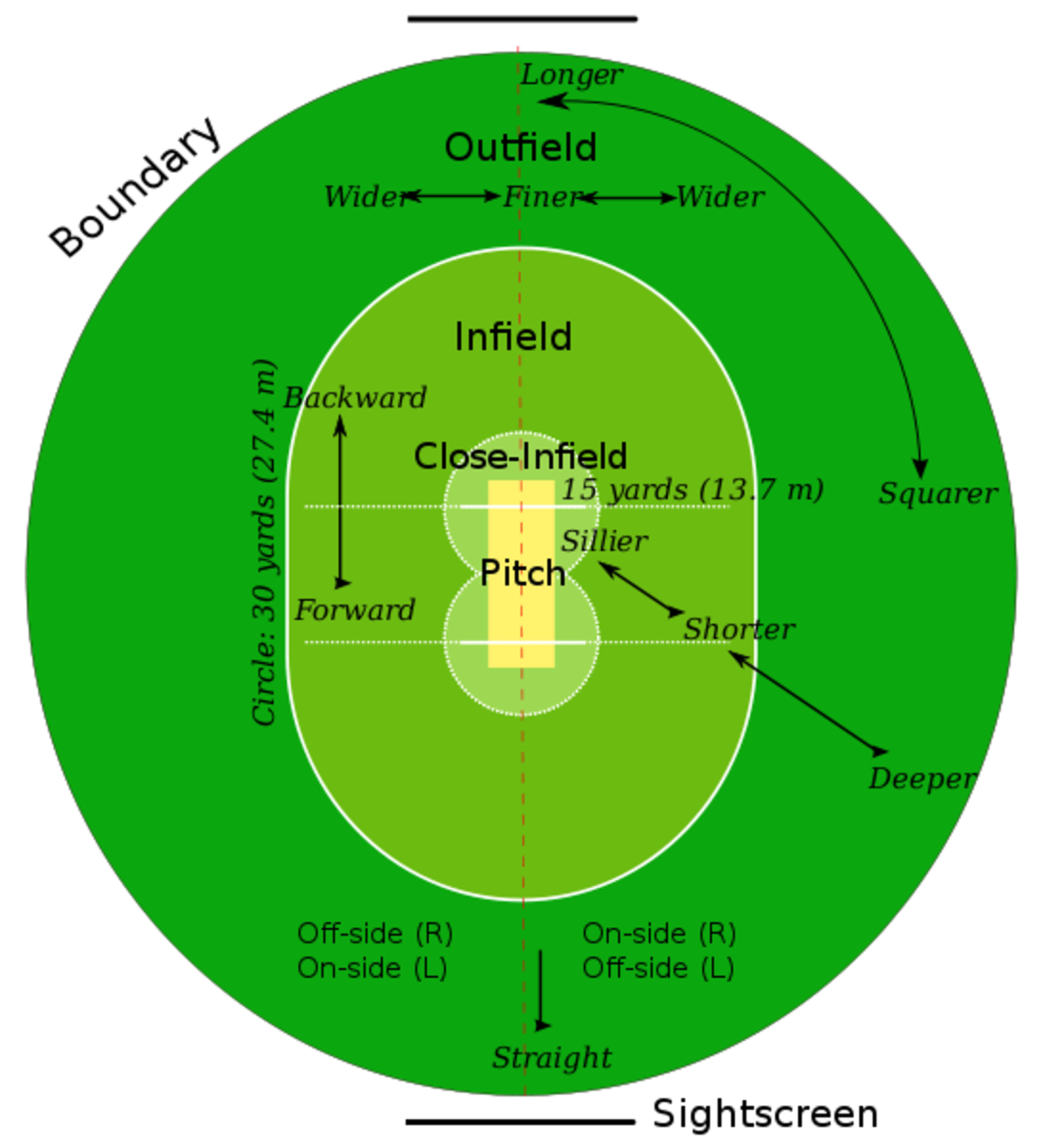
Cricket is played on a large oval-shaped field.
In the center is the pitch
At both ends of the pitch are wickets (three stumps)
Most action happens on the pitch
What Are Runs in Cricket?
Runs are the points scored in cricket.
A batsman scores runs by:
✔ running between the wickets
✔ hitting the ball to the boundary
Types of Runs
1, 2, 3 runs → by running
4 runs → ball reaches boundary after bouncing
6 runs → ball crosses boundary without bouncing
What Is a Wicket?
A wicket means a batsman is out.
Each team has 10 wickets per innings.
Common ways to get out:
✔ Bowled
✔ Caught
✔ LBW
✔ Run out
✔ Stumped
What Is an Over?
An over consists of 6 legal balls bowled by one bowler.
After one over, a different bowler bowls
Bowling switches ends
No balls and wides do not count in the over
Overs help control match time and strategy.
What Is a No Ball?
A no ball is an illegal delivery, usually because:
the bowler oversteps the crease
the delivery is dangerous
When a no ball is bowled:
✔ batting team gets 1 extra run
✔ the ball is rebowled
✔ a free hit is awarded (in T20 & ODI)
What Is a Free Hit?
A free hit is given after a no ball in limited-overs cricket.
On a free hit:
✔ batsman cannot be out bowled, caught, or LBW
✔ encourages aggressive batting
What Is a Wide Ball?
A wide ball is bowled too far from the batsman to hit.
✔ batting team gets 1 extra run
✔ ball is rebowled
The umpire decides whether a ball is wide.
What Are Extras in Cricket?
Extras are runs not scored by the bat.
Types of extras:
No balls
Wides
Byes
Leg byes
Extras increase the team score but not the batsman’s score.
Batting and Bowling Basics
🏏 Batting
Batting aims to:
✔ score runs
✔ protect the wicket
Batting performance is measured using:
Batting Average
Strike Rate
🎯 Bowling
Bowling aims to:
✔ take wickets
✔ control runs
Bowling performance is measured using:
Economy Rate
Bowling Strike Rate
Fielding in Cricket
Fielders help the team by:
✔ catching the ball
✔ stopping boundaries
✔ running out batsmen
The captain sets fielding positions based on strategy.
Formats of Cricket
Cricket is played in three main formats:
Test Cricket
Played over 5 days
No over limit
ODI Cricket
50 overs per team
T20 Cricket
20 overs per team
Fast and exciting format
How a Cricket Match Is Won
A match is usually won by:
✔ scoring more runs
✔ taking all wickets of the opposition
If scores are equal, the match may be:
tied
decided by a Super Over
Common Beginner Confusions
Why don’t batsmen hit every ball?
Because losing wickets is risky.
Why do teams switch roles?
To give both teams equal opportunities.
Why are overs important?
They control match duration and strategy.
Frequently Asked Questions (FAQs)
❓ How many players are in a cricket team?
Each team has 11 players.
❓ How many overs are there in T20 cricket?
Each team gets 20 overs.
❓ Can a batsman be out on a no ball?
In most cases, no.
❓ What is the most common way to get out?
Caught is the most common dismissal.
IMPORTANT NOTE
Your earlier version repeated the keyword too many times.
This version uses it naturally → better ranking + no spam signals.
If you want, next I can:
✅ review your updated post before publishing
✅ upgrade Strike Rate post
✅ suggest next post to strengthen approval
✅ create simple field diagram
Just tell me 👍
Beginner Question 👇
what strike rate means in cricket.
What Is Net Run Rate (NRR) in Cricket?
ways a batsman can get out in cricket, explained simply for beginners.
Strike rate becomes crucial during powerplay in cricket.
What Is Economy Rate in Cricket
What Is a Maiden Over in Cricket?
No comments:
Post a Comment