What Is Stumping in Cricket? (Difference From Run Out Explained)
Stumping is one of the quickest and most skillful dismissals in cricket. It requires lightning-fast reflexes from the wicketkeeper and sharp awareness from the fielding side.
If a batter steps out of the crease and misses the ball, the wicketkeeper can remove the bails in a split second — resulting in a stumping dismissal.
This guide explains what stumping is, when it happens, and how it differs from a run out.
🏏 What Is Stumping in Cricket?
A batter is stumped when the wicketkeeper removes the bails while the batter is outside the crease and not attempting a run.
👉 Simply put:
If a batter leaves the crease to play a shot, misses the ball, and the keeper breaks the stumps — they are out stumped.
🏏 When Does a Stumping Occur?


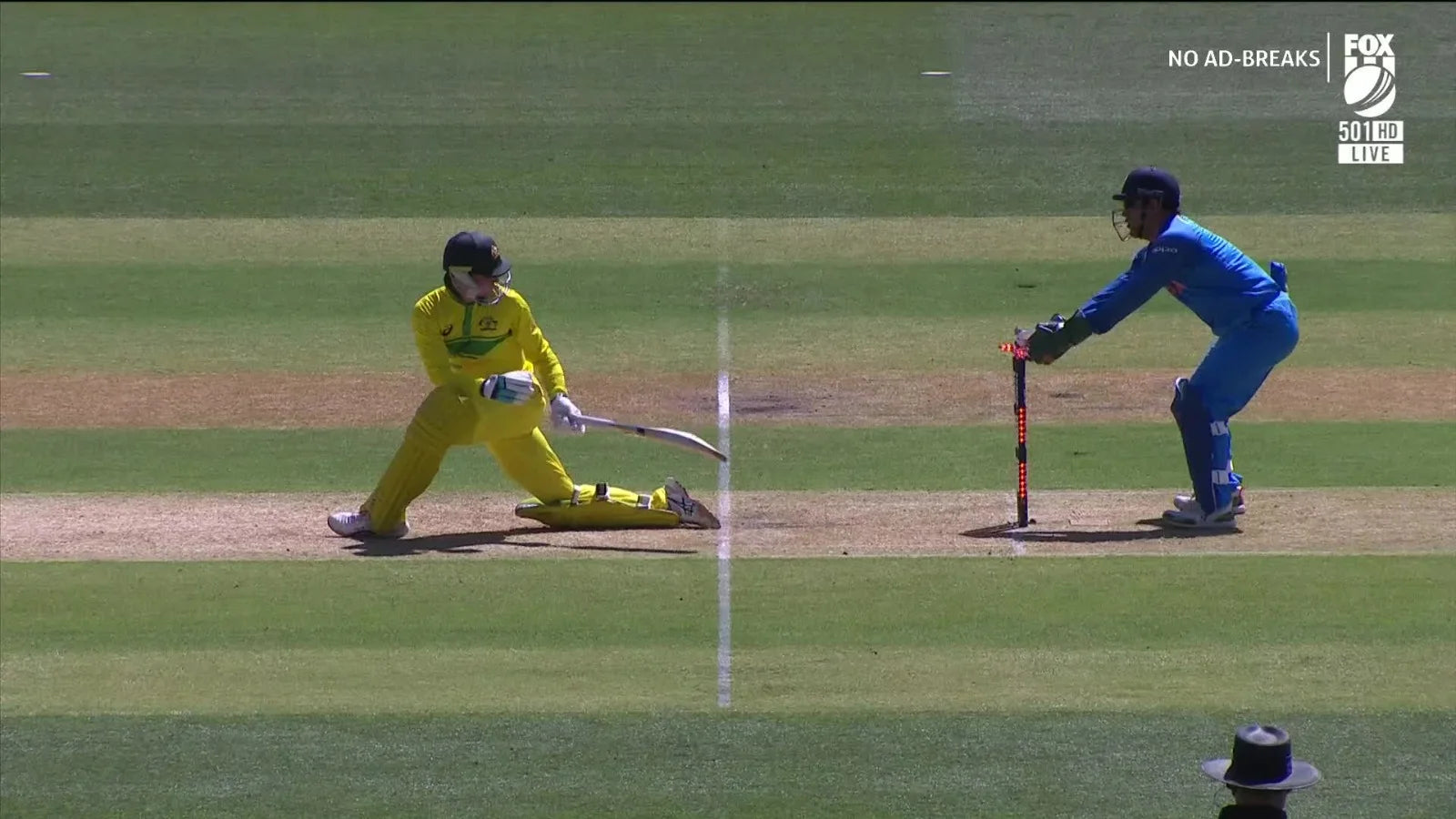
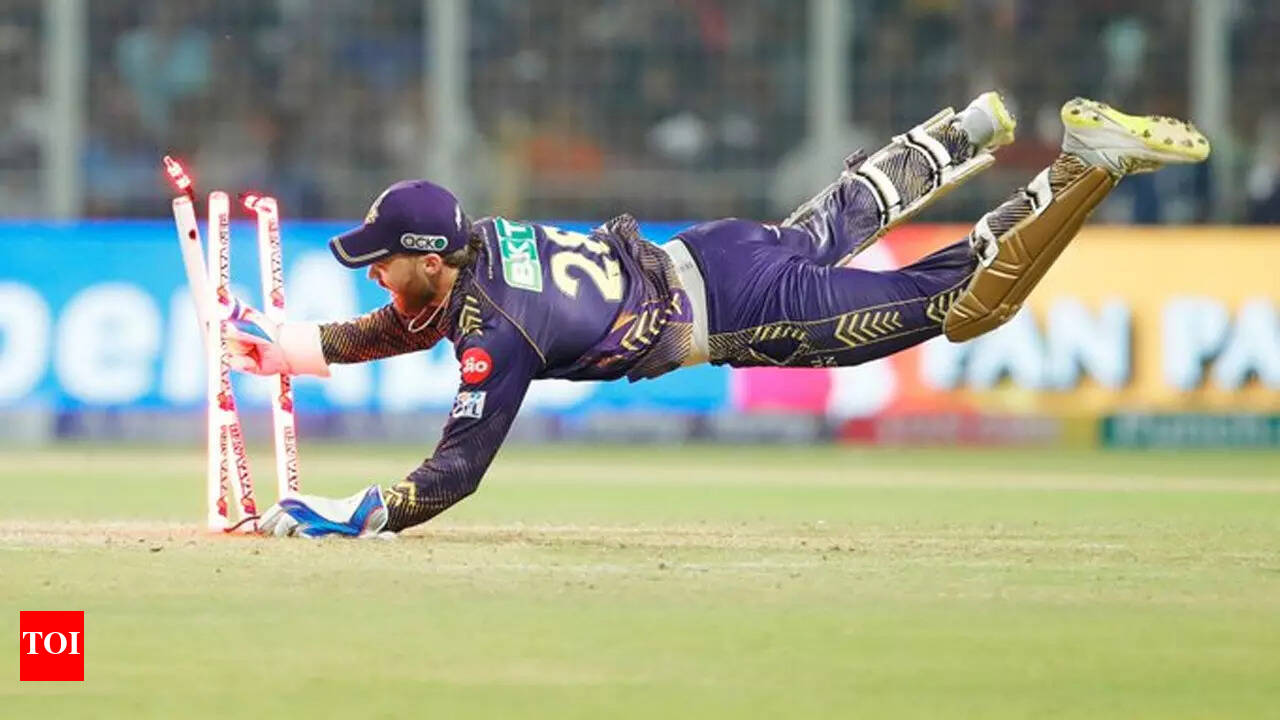
Stumping usually happens in these situations:
✅ 1. Batter Steps Out to Hit the Ball
Often against spin bowlers to play aggressive shots.
✅ 2. Batter Misses the Ball
The ball passes the bat and is collected by the wicketkeeper.
✅ 3. Quick Wicketkeeper Reaction
The keeper removes the bails before the batter returns to the crease.
🏏 Important Stumping Rules
✔ Only the Wicketkeeper Can Stump
If any other fielder removes the bails, it becomes a run out.
✔ Batter Must Not Attempt a Run
If the batter tries to run, the dismissal is considered a run out instead.
✔ Ball Must Be Legal Delivery
Stumping cannot occur on a no ball.
➡️ Read more: What Is a No Ball in Cricket? (internal link)
✔ Batter Must Be Outside the Crease
If any part of the foot or bat is grounded behind the crease, the batter is safe.
🏏 Stumping vs Run Out — Key Differences
| Stumping | Run Out |
|---|---|
| Only wicketkeeper can do it | Any fielder can do it |
| Batter not attempting a run | Happens during a run attempt |
| Usually off spin bowling | Can happen anytime |
| Happens near wicketkeeper | Can occur anywhere |
| Cannot happen on no ball | Can happen on no ball |
➡️ Also read: What Is Run Out in Cricket? (internal link)
🏏 Why Spin Bowlers Get More Stumpings
Stumpings mostly happen against spin bowling because:
✔ Batters step out to attack
✔ Ball turns and beats the bat
✔ Keeper stands close to stumps
✔ Less reaction time for batters
🏏 Famous Stumping Moments in Cricket
Some legendary wicketkeepers mastered stumping:
MS Dhoni — famous for lightning-fast glove work
Kumar Sangakkara — exceptional precision behind the stumps
Adam Gilchrist — quick reflexes and match awareness
Their speed often left batters helpless.
🏏 Common Mistakes That Lead to Stumping
✔ Overstepping the crease while attacking
✔ Losing balance after stepping out
✔ Missing spin turn or bounce
✔ Slow footwork against spinners
🏏 Tips to Avoid Getting Stumped
✅ Keep one foot grounded inside the crease
✅ Watch the ball closely when stepping out
✅ Practice footwork against spin
✅ Return quickly after missing a shot
🏏 Why Stumping Is Important in Cricket
Stumping:
✔ Helps spinners take wickets
✔ Punishes careless footwork
✔ Breaks partnerships quickly
✔ Adds pressure on aggressive batters
A quick stumping can change the momentum instantly.
🏏 Quick Summary
✔ Stumping occurs when the wicketkeeper removes the bails while the batter is outside the crease.
✔ Batter must not be attempting a run.
✔ Only the wicketkeeper can perform a stumping.
✔ Most stumpings happen against spin bowling.
No comments:
Post a Comment