Ways a Batsman Can Get Out in Cricket (Explained Simply)


If you are new to cricket, you might wonder:
👉 How does a batsman get out in cricket?
👉 Why does the umpire raise his finger?
In this article, you’ll learn all the ways a batsman can get out, explained in simple words with easy examples.
If you are a beginner, first read Cricket Rules Explained Simply for Beginners to understand the basics.
How Many Ways Can a Batsman Get Out?
According to cricket rules, a batsman can get out in 10 main ways.
Don’t worry — we’ll explain each one simply.
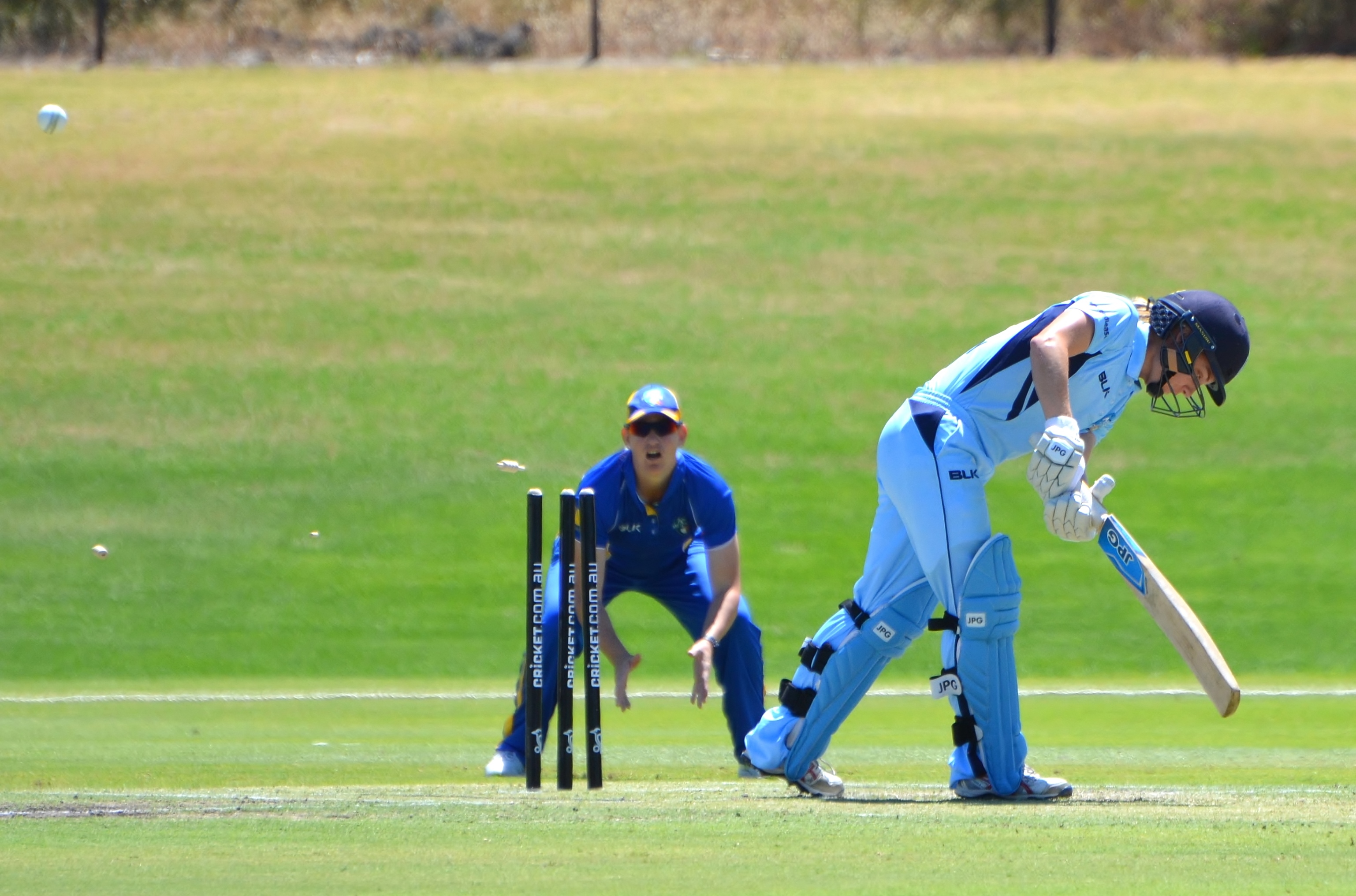
1️⃣ Bowled
A batsman is bowled when:
The ball hits the stumps
The bails fall
👉 Even if the ball touches the bat first, it is still out if the stumps are hit.
Example:
The bowler bowls, the ball passes the bat and hits the stumps.
2️⃣ Caught
A batsman is caught when:
The ball touches the bat
A fielder catches it before it touches the ground
👉 The catch must be clean.
Example:
The batsman hits the ball in the air and a fielder catches it.
3️⃣ Leg Before Wicket (LBW)
A batsman is out LBW when:
The ball hits the leg (pad)
The ball would have hit the stumps
The bat did not touch the ball first
👉 LBW decisions can sometimes be confusing for beginners.
4️⃣ Run Out
A batsman is run out when:
The fielding team breaks the stumps
The batsman is outside the crease
No part of the bat or body is inside the crease
Example:
Two batsmen try to take a run but one fails to reach the crease in time.
5️⃣ Stumped
A batsman is stumped when:
The batsman steps out of the crease
Misses the ball
The wicketkeeper breaks the stumps
👉 This usually happens against spin bowlers.
6️⃣ Hit Wicket
A batsman is out hit wicket when:
He accidentally hits his own stumps
This happens while playing a shot or starting a run
Example:
The bat slips and hits the stumps.
7️⃣ Obstructing the Field
A batsman is out if:
He deliberately blocks or distracts a fielder
This is done unfairly
👉 This is rare, but it is still a legal dismissal.
8️⃣ Handled the Ball
A batsman is out if:
He touches the ball with his hand
Without the permission of the fielding team
⚠️ This dismissal is very rare in modern cricket.
9️⃣ Hit the Ball Twice
A batsman is out if:
He hits the ball twice intentionally
Except to protect the stumps
🔟 Timed Out
A batsman is timed out when:
He does not come to the crease in time
After the previous batsman is out
👉 This almost never happens but is part of the rules.
Most Common Ways a Batsman Gets Out
In real matches, these are the most common:
Caught
Bowled
LBW
Run Out
Stumped
The others are very rare.
Why Knowing Dismissals Is Important
Understanding dismissals helps you:
Enjoy matches more
Understand umpire decisions
Follow scorecards easily
Learn cricket rules faster
Final Summary (Beginner Friendly)
A batsman can get out by:
Hitting the stumps
Getting caught
LBW
Run out or stumped
Some rare ways also exist
Once you know these, cricket becomes much easier to understand.
Frequently Asked Questions
Which is the most common dismissal?
Caught is the most common.
Can a batsman be out without touching the ball?
Yes, LBW and run out.
Is stumping the same as run out?
No. Stumping is done only by the wicketkeeper when the batsman misses the ball.
Beginner Question 👇
Which dismissal do you find most confusing — LBW or Stumping?
batting average in cricket, which helps judge long-term performance.
which is explained in our guide on what is strike rate in cricket.
Strike rate becomes crucial during powerplay in cricket.
No comments:
Post a Comment