What Is Obstructing the Field in Cricket? (Rules Explained Simply)
Obstructing the field is one of the rarest dismissals in cricket. It occurs when a batter deliberately interferes with the fielding side’s attempt to run them out or stop a catch.
Unlike most dismissals, this one involves intentional action by the batter, making it both rare and controversial.
This guide explains what obstructing the field means, when it happens, and key rules every cricket fan should understand.
🏏 What Does Obstructing the Field Mean?
A batter is out obstructing the field if they deliberately block or distract fielders to prevent a run out or catch.
👉 Simply put:
If a batter intentionally gets in the way of fielders, they can be given out.
🏏 When Does Obstructing the Field Occur?


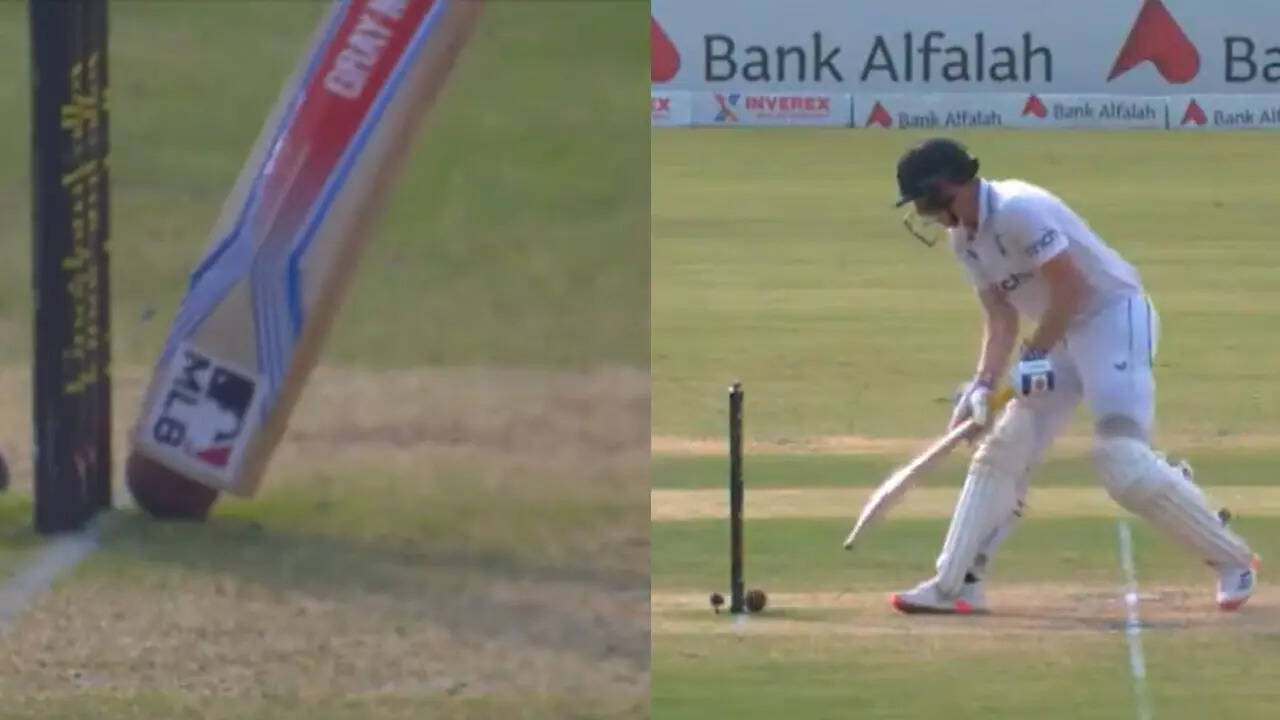
This dismissal can happen in several situations:
✅ 1. Blocking a Throw to the Stumps
If a batter intentionally stops the ball to avoid being run out.
✅ 2. Using Hand to Deflect the Ball
A batter cannot touch the ball with their hand (unless avoiding injury).
✅ 3. Changing Running Path to Block Fielders
Deliberately running in the fielder’s line.
✅ 4. Distracting Fielders Verbally or Physically
Any deliberate distraction to prevent a fielding attempt.
🏏 Important Rules of Obstructing the Field
✔ Must Be Intentional
Accidental obstruction is not out.
✔ Applies During Live Play
The ball must be in play.
✔ Batter Cannot Touch the Ball
Unless done purely to avoid injury.
✔ Fielding Side Must Appeal
Umpires give the decision only after an appeal.
🏏 Obstructing the Field vs Handling the Ball
Previously, “handling the ball” was a separate dismissal. Now it falls under obstructing the field.
| Obstructing the Field | Handling the Ball (Old Law) |
|---|---|
| Blocking fielders | Touching ball deliberately |
| Preventing run out | Stopping ball with hand |
| Still in rulebook | Now merged into this law |
🏏 Famous Obstructing the Field Dismissals
This rare dismissal has occurred in professional cricket:
Inzamam-ul-Haq — blocked a throw during a run
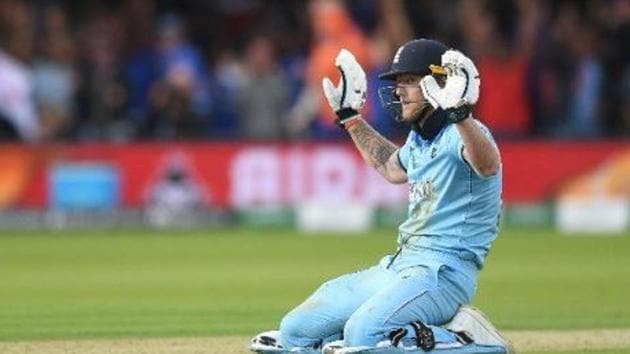
Ben Stokes — controversial deflection incident
Mohammad Hafeez — given out for deliberate obstruction
These moments sparked debates about intent and sportsmanship.
🏏 When Is It NOT Obstructing the Field?
A batter is not out if:
✔ The obstruction is accidental
✔ The ball is deflected while running naturally
✔ Contact is made to avoid injury
✔ The fielder initiates contact
Intent is the key factor.
🏏 Why This Rule Exists
The rule ensures fair play and prevents batters from gaining unfair advantage.
It protects:
✔ Fielding team’s right to dismiss batters
✔ Fair competition
✔ Spirit of cricket
🏏 How Batters Can Avoid This Dismissal
✅ Run in a straight line between wickets
✅ Do not touch the ball deliberately
✅ Avoid blocking throws
✅ Stay aware of fielders' positions
🏏 Why Obstructing the Field Is Rare
This dismissal is uncommon because:
✔ Players avoid intentional interference
✔ Umpires must judge intent
✔ Most incidents are accidental
✔ Spirit of cricket discourages unfair play
🏏 Quick Summary
✔ Obstructing the field occurs when a batter deliberately interferes with fielders.
✔ Intentional blocking or touching the ball can lead to dismissal.
✔ Accidental contact is not out.
✔ The fielding team must appeal for the decision.
No comments:
Post a Comment