What Does 4-0-22-1 Mean in Bowling Figures? (Explained Simply)


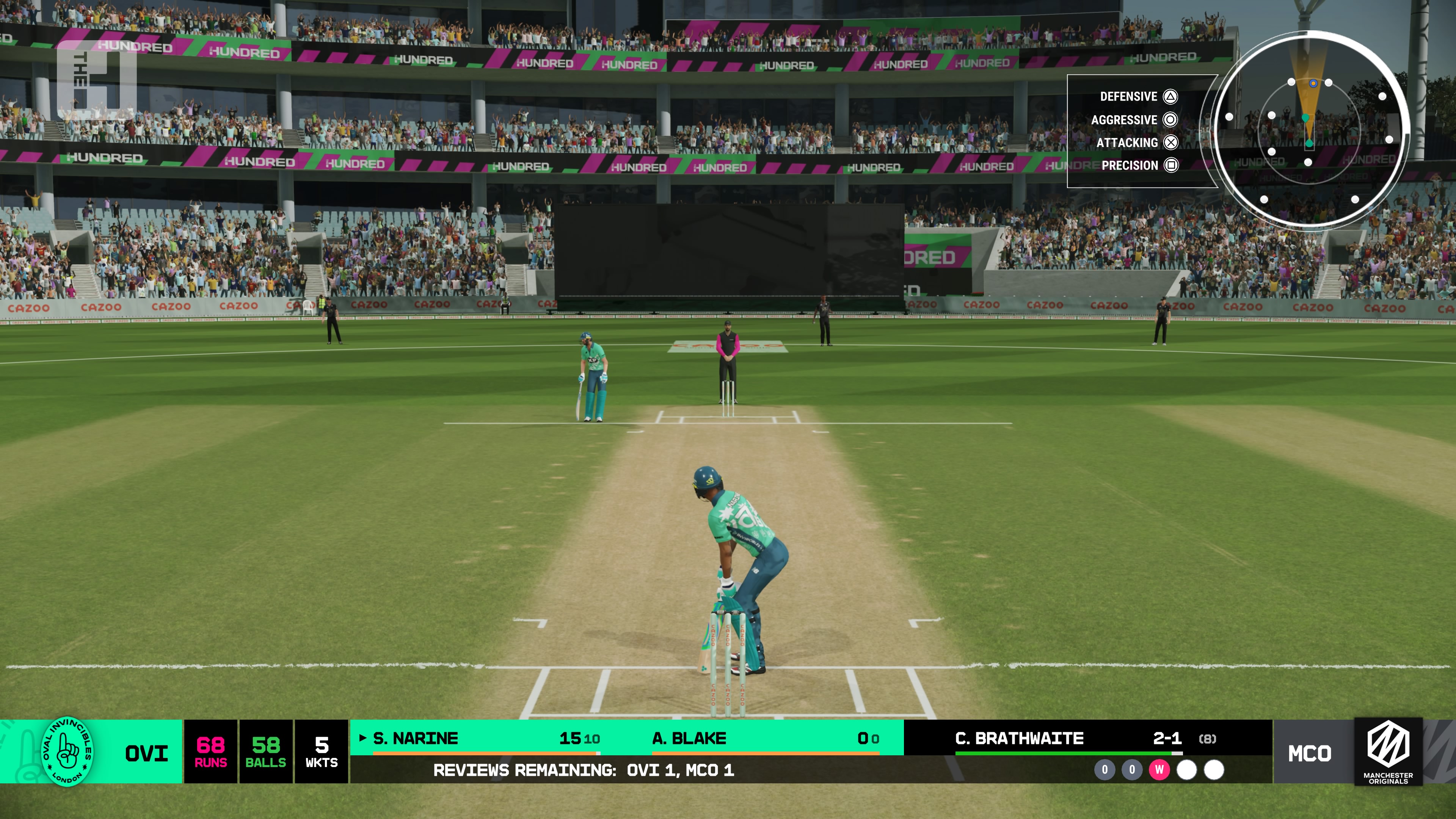

If you watch cricket or check a scorecard, you may have seen bowling figures written like:
4–0–22–1
For beginners, this can be confusing.
Questions like:
What do these numbers mean?
Is it good or bad bowling?
How do you read bowling figures correctly?
Don’t worry.
In this article, you’ll learn what 4–0–22–1 means in cricket bowling figures, explained step by step in simple language.
What Are Bowling Figures in Cricket?
Bowling figures show how a bowler performed in a match.
They tell us:
How many overs the bowler bowled
How many runs he gave away
How many wickets he took
Bowling figures are an important part of a cricket scorecard.
To understand scorecards better, read:
👉 How to Read a Cricket Scorecard (Beginner’s Guide)
What Does 4–0–22–1 Mean? (Simple Breakdown)
Let’s break 4–0–22–1 into four parts.
1️⃣ First Number: 4 (Overs Bowled)
The first number shows how many overs the bowler bowled.
👉 4 overs = 24 balls
(1 over = 6 balls)
2️⃣ Second Number: 0 (Maiden Overs)
The second number shows maiden overs.
A maiden over means:
An over in which no runs are scored by the batting team
👉 0 maidens means the bowler did not bowl any maiden over.
Learn more here:
👉 What Is a Maiden Over in Cricket?
3️⃣ Third Number: 22 (Runs Conceded)
The third number shows runs given by the bowler.
👉 22 runs conceded means:
The batsmen scored 22 runs off this bowler’s bowling
This includes:
Runs from the bat
Extras like wides and no-balls
4️⃣ Fourth Number: 1 (Wickets Taken)
The last number shows wickets taken.
👉 1 wicket means:
The bowler dismissed one batsman
Dismissals can include:
Bowled
Caught
LBW
Caught & bowled
To understand dismissals, read:
👉 Cricket Rules Explained Simply for Beginners
Full Meaning of 4–0–22–1 (In One Line)
👉 The bowler bowled 4 overs, gave 22 runs, bowled no maiden overs, and took 1 wicket.
Is 4–0–22–1 Good Bowling?
That depends on the format of the match.
In T20 Cricket
22 runs in 4 overs = 5.5 runs per over
That is very good bowling
Taking 1 wicket is a bonus
In ODI Cricket
It is considered good and economical
In Test Cricket
Economy matters less
Wickets are more important
To understand economy, read:
👉 What Is Economy Rate in Cricket?
How to Calculate Economy Rate From Bowling Figures
Using 4–0–22–1:
Economy Rate = Runs ÷ Overs
👉 22 ÷ 4 = 5.50
So the bowler’s economy rate is 5.50.
Another Example of Bowling Figures
Let’s look at another example:
10–2–35–4
This means:
10 overs bowled
2 maiden overs
35 runs conceded
4 wickets taken
That is considered excellent bowling, especially in ODIs.
Why Maiden Overs Matter in Bowling Figures
Maiden overs:
Build pressure on batsmen
Reduce scoring rate
Increase chances of wickets
That’s why bowlers with maidens are highly valued.
Common Beginner Mistakes While Reading Bowling Figures
❌ Thinking the second number is wickets
❌ Confusing runs with overs
❌ Ignoring economy rate
❌ Comparing Test and T20 figures directly
Always check the format of the match first.
Bowling Figures vs Batting Score
Important difference:
Bowling figures show bowler performance
Batting score shows individual batsman performance
Never mix the two.
How Bowling Figures Appear in a Scorecard
In a scorecard, bowling figures usually appear like this:
| Bowler | O | M | R | W |
|---|---|---|---|---|
| Bumrah | 4 | 0 | 22 | 1 |
This table format makes it easier to read.
FAQs About Bowling Figures
❓ Do wides and no-balls count in runs conceded?
Yes. They are added to the runs conceded.
To understand this better, read:
👉 What Is a No Ball in Cricket?
❓ Can a bowler have 0 overs and 1 wicket?
No. A bowler must bowl at least one legal ball.
❓ Is taking wickets more important than economy?
Depends on format:
T20 → economy + wickets
Test → wickets matter more
Final Summary (Beginner Friendly)
✔ Bowling figures show a bowler’s performance
✔ 4–0–22–1 has four meanings
✔ Overs, maidens, runs, wickets
✔ Context (format) is very important
✔ Economy rate helps judge performance
Once you understand bowling figures, cricket becomes much easier to follow.
1 comment:
Very easy to grab knowledge of cricket after visiting your blogs Thank you hoping for more good Blogs in future
Post a Comment