What Is Economy Rate in Cricket? Bowling Explained Simply

When people talk about bowlers, you often hear:
👉 “He has a very good economy rate.”
But what does economy rate in cricket actually mean?
Is it more important than taking wickets?
In this beginner-friendly guide, you’ll learn what economy rate is, how it is calculated, and why it matters — explained in very simple language.
👉 If you’re new to cricket, start with Cricket Rules Explained Simply for Beginners to understand the basics.
What Is Economy Rate in Cricket? (Simple Meaning)
Economy rate shows:
👉 how many runs a bowler gives per over.
In simple words:
✔ low economy rate = bowler controls runs well
✔ high economy rate = bowler gives too many runs
👉 Economy rate measures run control, not wickets.
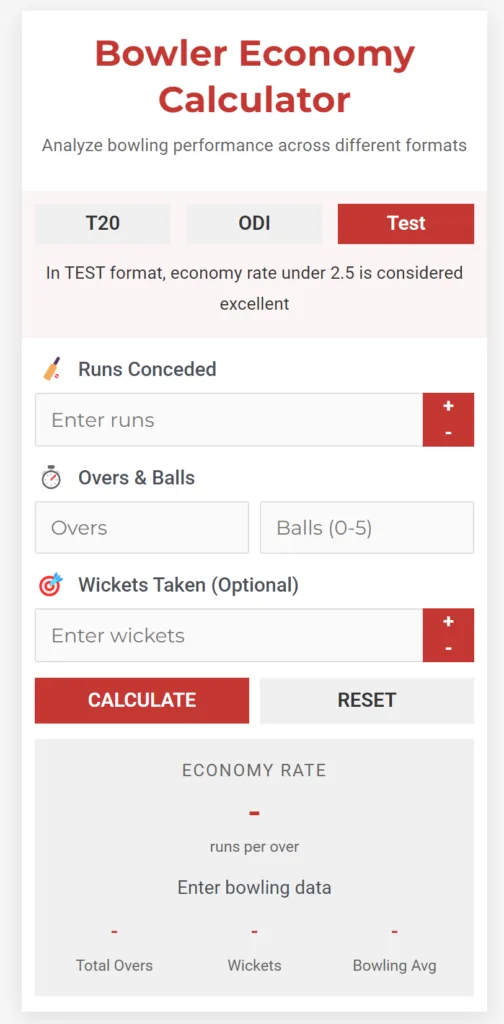
Economy Rate Formula (Easy)
Economy Rate = Total Runs Conceeded ÷ Overs Bowled
Economy Rate Examples (Easy to Understand)
Example 1
Runs given = 40
Overs bowled = 8
40 ÷ 8 = 5.00
👉 Economy rate = 5.00
👉 This is very good in limited-overs cricket.
Example 2
Runs given = 60
Overs bowled = 6
60 ÷ 6 = 10.00
👉 Economy rate = 10.00
👉 This is expensive, especially in T20 cricket.
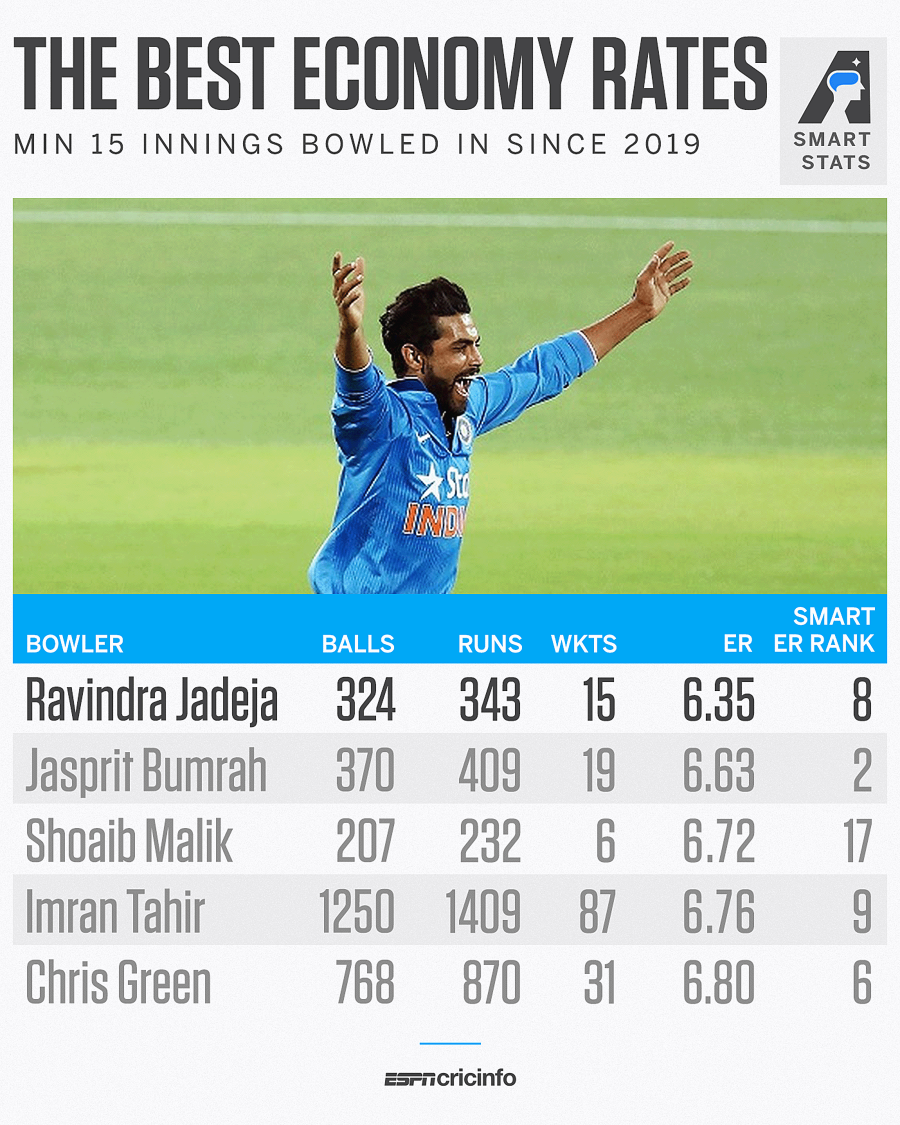
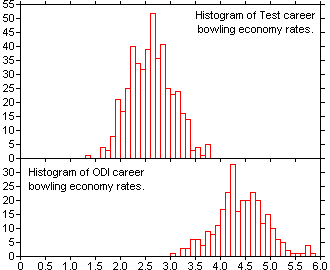
What Is a Good Economy Rate?
A good economy rate depends on the format.
| Format | Good Economy Rate |
|---|---|
| Test Cricket | Below 3.0 |
| ODI Cricket | Below 5.0 |
| T20 Cricket | Below 7.5 |
⚠️ In T20 cricket, even 8.0 can be acceptable depending on match conditions.
Why Economy Rate Is Important
Economy rate helps teams by:
✔ controlling the run flow
✔ creating pressure on batsmen
✔ building match momentum
✔ supporting wicket-taking bowlers
A bowler with a low economy rate is extremely valuable.
Economy Rate vs Wickets (Common Confusion)
Beginners often think taking wickets is everything — but controlling runs is equally important.
| Economy Rate | Wickets |
|---|---|
| Controls runs | Removes batsmen |
| Builds pressure | Breaks partnerships |
| CruciaI in T20 | Important in all formats |
👉 The best bowlers combine both skills.
Economy Rate in Powerplay vs Death Overs
Powerplay Overs
✔ economy is usually higher
✔ batsmen attack more
Death Overs
✔ economy matters the most
✔ one expensive over can change the match
👉 Learn more in What Is Powerplay in Cricket?
Is Economy Rate Important in All Formats?
✅ Yes — but its importance varies.
Test cricket: very important
ODI cricket: important
T20 cricket: extremely important
In T20 matches, a bowler with a good economy rate can win matches even without many wickets.
Why Economy Rate Confuses Beginners
Beginners get confused because:
❌ it ignores wickets
❌ it changes by format
❌ one bad over affects the average
Once you understand overs and runs, it becomes easy.
Can Economy Rate Decide a Match?
Yes — especially in:
✔ T20 cricket
✔ low-scoring matches
✔ pressure overs
✔ final overs
A bowler who stops runs can shift match momentum.
Final Summary (Beginner Friendly)
✔ economy rate = runs per over
✔ lower economy rate is better
✔ depends on format
✔ extremely important in T20 cricket
✔ helps teams control matches
Understanding economy rate helps you judge bowlers properly.
Frequently Asked Questions
❓ Is economy rate more important than wickets?
Both are important depending on match situations.
❓ What is a bad economy rate in T20?
Above 9.0 is usually considered poor.
❓ Can a bowler have good economy but no wickets?
Yes — and such bowlers are still very valuable.
Beginner Question 👇
Do you prefer a bowler who takes wickets or one who controls runs?
No comments:
Post a Comment