Two deliveries pitch on exactly the same spot. Both hit the batter on the pad. Both would have gone on to knock over middle stump. One is given out. The other is not.
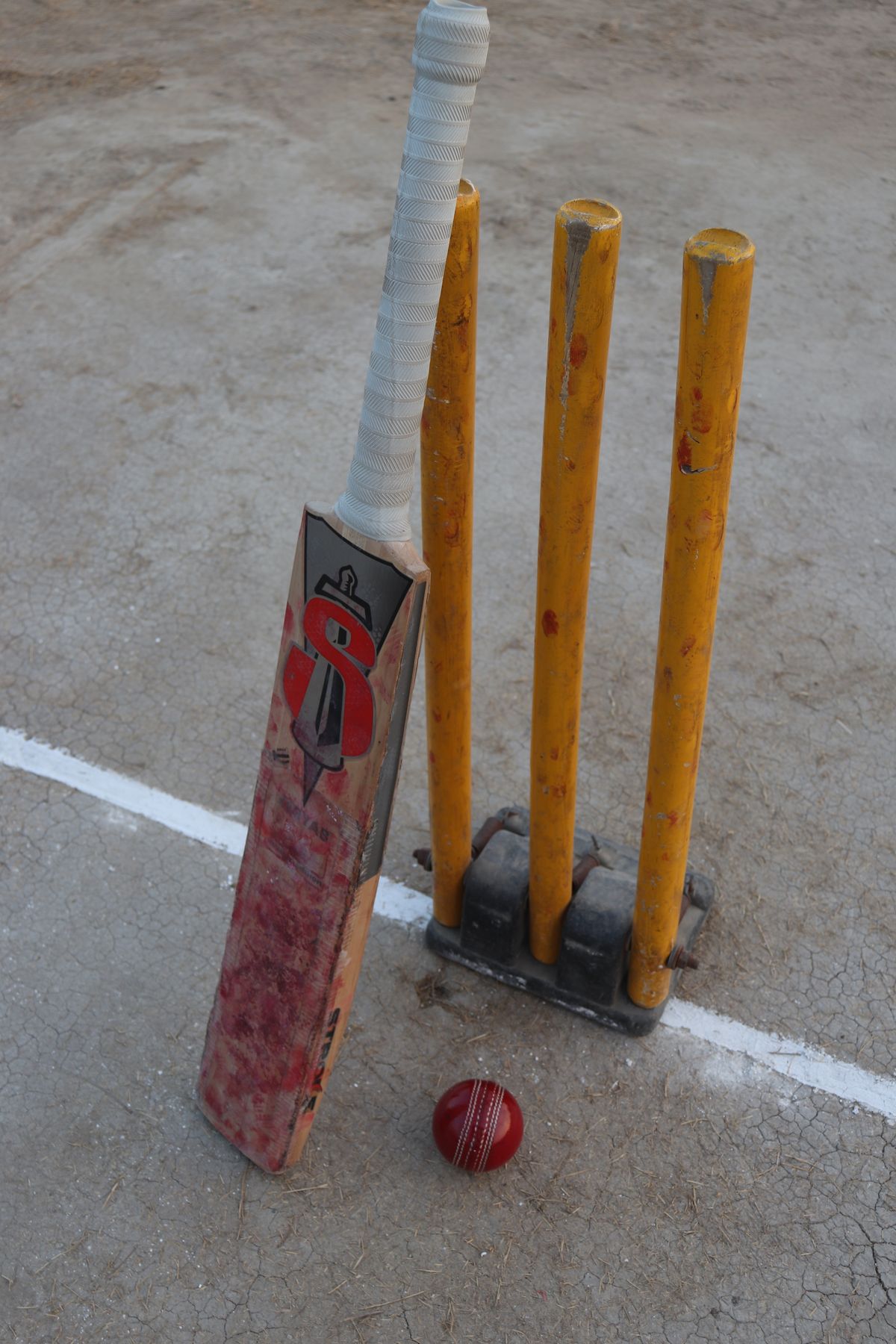
Photo via Pexels
That is not the umpire being inconsistent. It is Law 36, and it is probably the most misunderstood rule in cricket.
By the end of this you will be able to watch any LBW appeal and work out the decision yourself, before the replay shows it.
The idea behind the rule
Cricket rests on a simple bargain. The bowler tries to hit the stumps. The batter is supposed to stop that with the bat.
Take away the LBW rule and that bargain collapses. A batter could stand square in front of the stumps, let every ball thud into the pads and never be bowled. Batting would become almost impossible to defeat.
So the law says: if the ball was going to hit your stumps, and your body stopped it instead of your bat, you are out.
Everything else is detail about when that applies.
The five things an umpire checks
Law 36 lists five conditions. All five must be true. If a single one fails, the batter survives.
1. It has to be a legal delivery
If the bowler has overstepped and it is a no-ball, LBW is impossible no matter how plumb it looked. This is why you occasionally see a batter given out, then reprieved seconds later when the replay finds the front foot over the line.
2. The ball must not pitch outside leg stump
"Pitching" means where the ball first bounces. Land it outside the line of leg stump and the batter cannot be out LBW. Not sometimes. Never.
The reason is fairness. A ball angling in from wide of leg stump is horribly awkward to play safely, and the law protects the batter from it.
Pitching in line with the stumps is fine. So is pitching anywhere on the off side, however wide.
Where the ball first bounces decides whether an LBW appeal can succeed at all.
3. The ball must hit the body before the bat
The faintest inside edge onto the pad kills the appeal completely. That is why batters review with such confidence when they know they got bat on it, and why UltraEdge and Snickometer exist.
One detail worth knowing: if the ball strikes bat and pad at the same instant, the law treats it as having hit the bat first. The doubt goes to the batter.
4. The impact has to be in the right place
"Impact" means where the ball struck the body. Two situations are possible, and this is where most confusion lives.
- Impact in line with the stumps: LBW is possible.
- Impact outside the line of off stump: LBW is only possible if the batter made no genuine attempt to play the ball with the bat.
That second condition is what commentators mean by "he wasn't offering a shot". Push the pad out and deliberately leave the bat behind, and you forfeit the protection a real shot would have given you. If you are still learning which stroke belongs to which delivery, our guide to the different types of cricket shots covers what playing a genuine shot actually looks like.
Impact outside leg stump is never out, regardless of anything else.
5. The ball must have been going on to hit the stumps
Finally the umpire has to answer a hypothetical. With the pad removed, does this ball hit the wicket?
This is the hardest judgement in the game, which is why ball tracking was introduced. Swing, spin, bounce and the distance still to travel all feed into it. A ball striking the batter high on the thigh, well forward of the crease, is very often sailing over the top.
Why "umpire's call" exists
Ball tracking does not measure where the ball went. It predicts where it would have gone, and a prediction carries uncertainty.
So the review system builds in a margin. If the ball is only clipping the stumps within that margin, the technology is not treated as conclusive, and the on-field umpire's original decision stands.
This is why an identical tracking picture can produce "out" for one batter and "not out" for another. The tracking did not change. The umpire's first answer did.
Reviews are also a limited resource, which makes them a captaincy problem as much as a technical one. Burning both reviews on hopeful appeals in the first hour leaves you defenceless later, and knowing when to spend them is part of what a captain is actually responsible for during a match.
How LBW shapes the way bowlers attack
Any bowler who can move the ball back towards the stumps gains an extra route to a wicket. That is why inswing is so dangerous, and why an off spinner bowling at a right hander is always in the game.
It also explains the value of the yorker and the ball that skids on low. Low deliveries are far more likely to be hitting the stumps, so they convert pad impacts into dismissals.
Bowlers who work on shining the ball to generate swing are frequently setting up this exact dismissal: beat the bat on the inside, strike the pad, appeal. Spinners chase it differently, using turn and drift to beat the inside edge instead, and the contrast between off spin and leg spin shows why one of them threatens the stumps far more often than the other.
Three things people get wrong
"It hit him in front, so it's out." Not necessarily. It still has to survive the pitching test and the ball tracking test.
"He was struck outside off, so he's safe." Only if he played a shot at it. Padding up carelessly outside off stump gets batters out regularly.
"The ball has to bounce first." No. A full toss striking the pad can be out LBW like any other delivery.
Read next
- The role of a spinner in cricket, because spinners live off pad impacts and LBW shouts more than any other bowling type.
- What timed out means, if you want the rarest dismissal in the game after working through the most misunderstood one.
- Why cricketers wear helmets, which explains what the rest of that protective gear is doing while the pads are busy getting you out.
Common questions
Can you be out LBW if the ball pitches outside off stump?
Yes, and this catches people out constantly. Pitching outside off is completely fine. Only pitching outside leg stump rules out an LBW.
Can you be given out if the ball hits you on the chest or the shoulder?
Yes. There is no height limit written into the law. What matters is whether the ball would still have hit the stumps, and the higher the impact, the less likely that becomes. Umpires almost never give these, but the law permits it.
Why do batters get out LBW when they leave the ball alone?
Because leaving removes a protection. If impact is outside off stump and you genuinely played at it, you cannot be out. Choose not to play at it and you can be, provided the ball was hitting the stumps.
Does LBW work the same in Tests, ODIs and T20s?
The law is identical in all of them. What changes is the review system and how many reviews each side has.
What to watch for in the next match
Next time an appeal goes up, run the five checks in your head before the replay appears. Legal ball. Where did it pitch. Bat or pad first. Where did it strike, and was a shot played. Was it hitting.
Get into that habit and something changes. You stop waiting to be told the decision, and start seeing it coming.
No comments:
Post a Comment