Role of an All-Rounder in Cricket (Complete Guide)
An all-rounder is one of the most valuable players in a cricket team. Unlike specialists who focus only on batting or bowling, an all-rounder contributes significantly in both departments.
All-rounders provide balance, flexibility, and depth to the team. They can change the course of a match with either bat or ball.
In this guide, we’ll explain the role of an all-rounder in cricket, different types of all-rounders, and why they are crucial in modern cricket.
🏏 What Is an All-Rounder in Cricket?


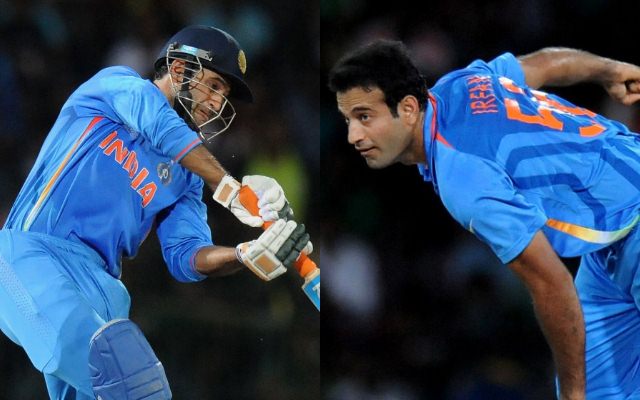
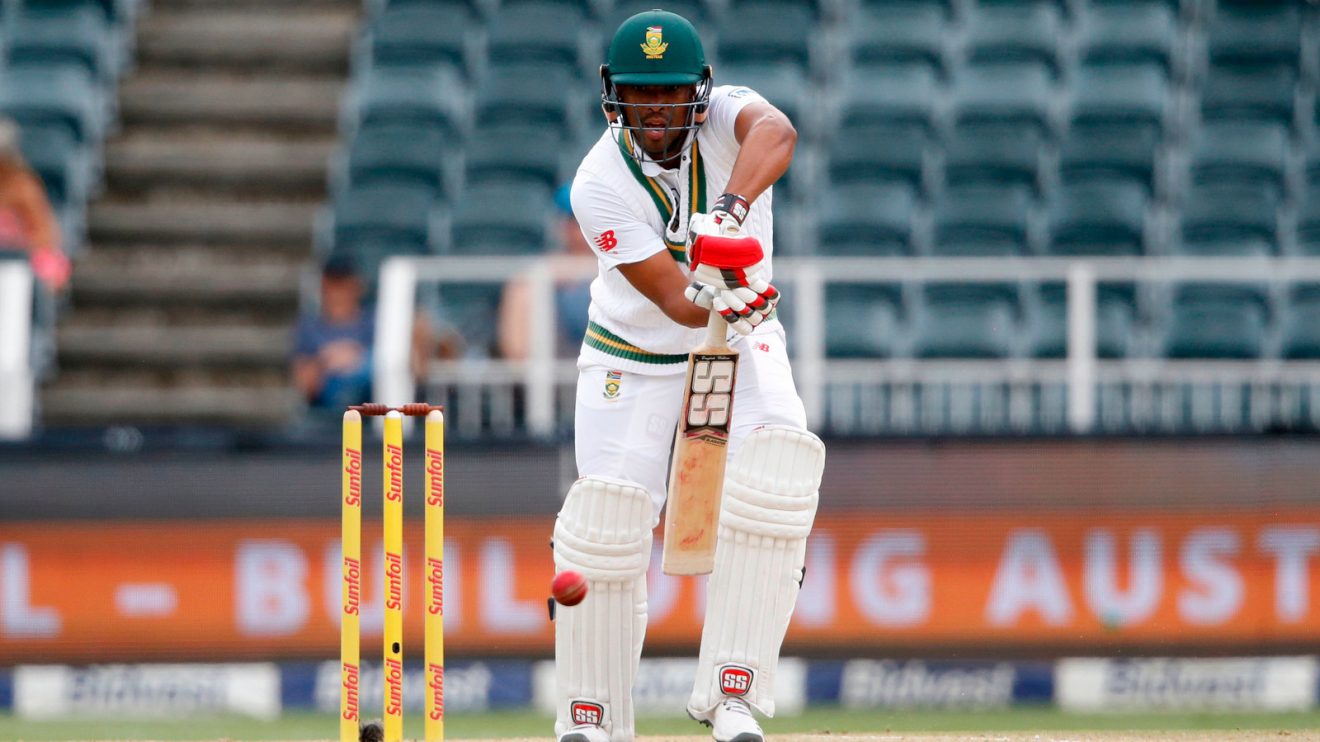
An all-rounder is a player who is skilled at both:
Batting
Bowling
Additionally, many all-rounders are excellent fielders.
This versatility makes them extremely important in team selection.
🎯 Why Are All-Rounders Important?
All-rounders bring several advantages:
✔ Provide team balance
✔ Offer extra bowling option
✔ Add depth to batting order
✔ Cover for weak performances
✔ Improve flexibility in strategy
Teams with strong all-rounders are usually more competitive.
🏏 Types of All-Rounders
Not all all-rounders are the same. They are usually categorized into two main types.
🔹 1. Batting All-Rounder
A batting all-rounder:
Primarily a strong batter
Can bowl effectively
Often bats in top or middle order
Their bowling supports main bowlers.
🔹 2. Bowling All-Rounder
A bowling all-rounder:
Primarily a strong bowler
Capable of scoring useful runs
Usually bats in lower-middle order
They strengthen bowling attack.
🔹 3. Genuine All-Rounder
A genuine all-rounder is equally strong in both batting and bowling.
These players are rare and highly valuable.
🏏 Role of an All-Rounder in Batting
All-rounders contribute in batting by:
✔ Stabilizing innings
✔ Accelerating scoring
✔ Finishing matches
✔ Handling pressure situations
In T20 cricket, they often play the role of finishers.
➡️ Also read: How to Chase a Target in Cricket
🏏 Role of an All-Rounder in Bowling
All-rounders also contribute by:
✔ Breaking partnerships
✔ Controlling run rate
✔ Bowling during powerplays
✔ Delivering crucial overs
Having an extra bowling option reduces pressure on main bowlers.
🏏 Role in Fielding
Most modern all-rounders are athletic fielders.
They:
✔ Save runs
✔ Take sharp catches
✔ Create run-out chances
Fielding ability increases overall impact.
➡️ Also read: Cricket Fielding Positions Explained
📊 How All-Rounders Improve Team Balance
Without an all-rounder:
Team may need extra batter or bowler
Batting depth may suffer
Bowling options may be limited
With an all-rounder:
Team can play 6 batters + 5 bowlers
More flexibility in combinations
Better coverage in case of failure
Balance is key in cricket strategy.
🏏 All-Rounders in Different Formats
🔹 Test Cricket
In Test matches:
All-rounders provide stability
Can bowl long spells
Score centuries lower down the order
They reduce workload of bowlers.
🔹 ODI Cricket
In ODIs:
Provide middle overs bowling
Strengthen middle order
Help manage run rate
Their dual role is very important in 50-over matches.
🔹 T20 Cricket
T20 cricket heavily depends on all-rounders.
They:
Finish innings quickly
Bowl death overs
Adapt to match situations
Most T20 teams prefer multiple all-rounders.
➡️ Also read: Test vs ODI vs T20 Differences
🏆 Famous All-Rounders in Cricket History
Some legendary all-rounders include:
Jacques Kallis
Kapil Dev
Imran Khan
Ben Stokes
These players influenced matches in multiple ways.
🏏 How All-Rounders Win Matches
All-rounders can:
✔ Score quick 40–50 runs
✔ Take 2–3 key wickets
✔ Save 10–15 runs in field
Even moderate contributions in both areas can decide games.
🧠 Strategic Use of All-Rounders
Captains use all-rounders to:
Adjust batting order
Cover injured bowlers
Experiment with bowling combinations
Maintain balance during chases
➡️ Also read: Role of Captain in Cricket
🏏 Batting Position of All-Rounders
Common batting positions:
No. 5 or 6 (middle order)
No. 7 (finisher role)
Lower order (bowling all-rounders)
Flexibility makes them dangerous.
🏏 Bowling Styles of All-Rounders
All-rounders may be:
Fast-bowling all-rounders
Medium-pace all-rounders
Spin-bowling all-rounders
Their bowling style depends on team needs.
📈 All-Rounder vs Specialist Player
| All-Rounder | Specialist |
|---|---|
| Contributes in 2 areas | Focuses on 1 skill |
| Flexible role | Fixed role |
| Improves balance | Adds depth in one area |
| Risk of inconsistency | Highly skilled in one discipline |
Teams prefer at least one strong all-rounder.
🔥 Modern Cricket & All-Rounders
Modern formats like the Indian Premier League heavily value all-rounders.
Franchise teams often pay high prices for quality all-rounders because:
They reduce need for extra players
Increase tactical flexibility
Fit fast-paced formats
All-rounders are match-winners.
🏏 Challenges Faced by All-Rounders
Playing dual roles can be difficult.
Challenges include:
❌ Physical fatigue
❌ Higher expectations
❌ Balancing practice time
❌ Injury risks
Maintaining performance in both departments requires fitness and discipline.
🏏 How to Become a Good All-Rounder
Tips:
✔ Practice both batting and bowling regularly
✔ Improve fitness and stamina
✔ Focus on fielding skills
✔ Develop game awareness
✔ Stay mentally strong
All-rounders must work harder than specialists.
📝 Quick Summary
✔ An all-rounder contributes in batting and bowling.
✔ Provides team balance and flexibility.
✔ Can change match outcomes single-handedly.
✔ Valuable in all formats of cricket.
✔ Highly demanded in modern leagues.
No comments:
Post a Comment