No Result vs Draw in Cricket: What’s the Difference?
Cricket matches don’t always end with a win or loss. Weather interruptions, time limitations, and match conditions can result in outcomes like No Result or Draw.
Many fans get confused between these two terms because both mean there is no winner — but they occur under very different circumstances.
This guide explains the difference between No Result and Draw, when each occurs, and how match outcomes are decided.
🏏 What Does “No Result” Mean in Cricket?
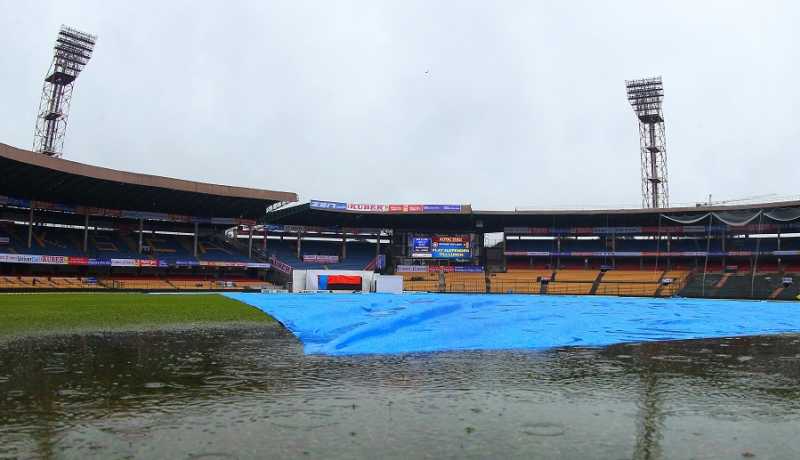

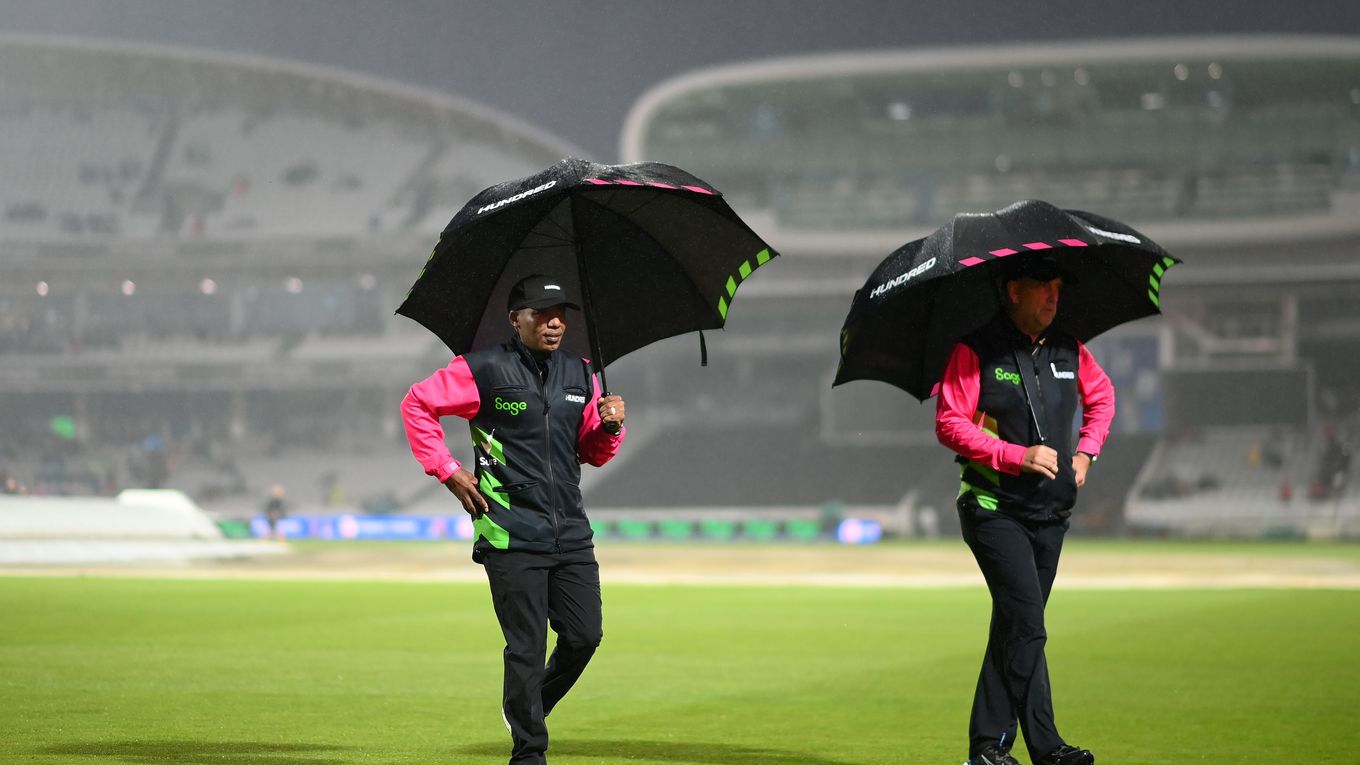
A No Result occurs when a limited-overs match cannot produce a valid result due to insufficient play.
This usually happens because of:
✔ Rain interruptions
✔ Wet outfield conditions
✔ Poor weather or unsafe pitch
✔ Match abandonment
👉 The match is considered incomplete.
🏏 When Is a Match Declared No Result?
🏏 ODI Matches
A minimum of 20 overs per side must be completed.
🏏 T20 Matches
A minimum of 5 overs per side must be completed.
If the required overs are not played, the match is declared No Result.
➡️ Read: What Happens If It Rains in a Cricket Match? (internal link)
🏏 What Happens to Points in a No Result?
In tournaments and leagues:
✔ Both teams usually receive 1 point each.
✔ Net run rate is not significantly affected.
✔ Match statistics may remain incomplete.
🏏 What Does “Draw” Mean in Cricket?
A Draw occurs only in Test cricket when the match ends without a winner after all scheduled playing time is completed.
Unlike No Result, a draw means:
✔ The match was played.
✔ Time expired before a result.
✔ Both teams completed innings attempts.
👉 A draw reflects a completed match without a winner.
🏏 When Does a Draw Occur?
A Test match is declared a draw when:
✔ Time runs out before a result.
✔ Rain delays reduce playing time.
✔ Pitch conditions slow scoring.
✔ Batting team successfully survives final day.
➡️ Also read: Test vs ODI vs T20 Differences (internal link)
🏏 Draw vs Tie — Important Difference
Many fans confuse draw with tie.
| Draw | Tie |
|---|---|
| Only in Test cricket | Limited-overs & Tests |
| Match time ends | Scores level |
| No winner | Equal scores |
| Very common in Tests | Extremely rare |
🏏 No Result vs Draw — Key Differences
| Feature | No Result | Draw |
|---|---|---|
| Match Format | ODI & T20 | Test cricket |
| Reason | Match incomplete | Time expired |
| Overs Played | Insufficient | Match fully played |
| Weather Impact | Major cause | May contribute |
| Points Awarded | Shared | Based on Test series rules |
| Match Status | Abondoned/incomplete | Completed |
🏏 Examples of No Result Situations
No Result may occur when:
✔ Rain stops play before minimum overs
✔ Wet outfield prevents play
✔ Severe weather conditions
✔ Match abandoned without restart
This is common during monsoon seasons and rainy tournaments.
🏏 Examples of Draw Situations
Draws often happen when:
✔ Batting team defends on final day
✔ Rain reduces playtime significantly
✔ Pitch becomes batting-friendly
✔ Teams play cautiously to avoid defeat
Some historic Test matches are remembered for dramatic last-day survival efforts.
🏏 Famous Matches Ending in No Result
ICC Cricket World Cup 2019 had several rain-affected no results
Champions Trophy 2002 Final was abandoned twice due to rain
Weather can heavily influence limited-overs tournaments.
🏏 Famous Drawn Test Matches
Ashes Series has seen many iconic draws
India vs Australia Sydney Test 2021 featured heroic last-day survival
Draws often produce memorable cricket moments.
🏏 Why Draws Are Common in Test Cricket
Draws occur because:
✔ Test matches last five days
✔ Pitch conditions change slowly
✔ Defensive batting can survive
✔ Weather interruptions reduce playtime
Draws are part of the strategic depth of Test cricket.
🏏 Why No Results Are Frustrating for Fans
No Result outcomes can disappoint fans because:
❌ No winner declared
❌ Match excitement lost
❌ Tickets & expectations affected
However, safety and fairness remain priorities.
🏏 How Weather Forecasts Influence Match Outcomes
Teams monitor weather forecasts to:
✔ Accelerate scoring before rain
✔ Adjust bowling plans
✔ Prepare for shortened matches
✔ Manage run rate for DLS scenarios
Weather plays a significant role in modern cricket strategy.
🏏 Can a Match Be Both Draw and No Result?
❌ No.
A match can only be one:
Limited-overs incomplete → No Result
Test match time expires → Draw
🏏 Quick Summary
✔ No Result occurs in ODIs/T20s when insufficient play occurs.
✔ Draw occurs in Test cricket when time expires without a winner.
✔ Rain often causes No Results.
✔ Defensive batting and time constraints cause draws.
✔ Both outcomes result in no winner but under different conditions.
No comments:
Post a Comment