What Is Duckworth–Lewis–Stern Method (DLS) in Cricket? (Explained Simply)

Have you ever watched a cricket match interrupted by rain and heard commentators say:
👉 “The target has been revised using the DLS method.”
But what does DLS method in cricket actually mean?
Why does the target change?
In this article, you’ll learn what the Duckworth–Lewis–Stern (DLS) method is, why it is used, and how it works, explained in very easy words for beginners.
If you are new to cricket, start with Cricket Rules Explained Simply for Beginners to understand the basics.
What Is DLS Method in Cricket? (Simple Meaning)
DLS (Duckworth–Lewis–Stern) method is a formula used to:
Recalculate targets in limited-overs matches when play is interrupted (usually by rain)
It makes sure the match result is fair for both teams.
👉 DLS is used only in ODI and T20 cricket, not in Test matches.
Why Is the DLS Method Needed?
Rain can:
Reduce the number of overs
Give unfair advantage to one team
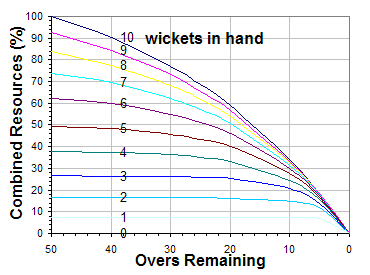
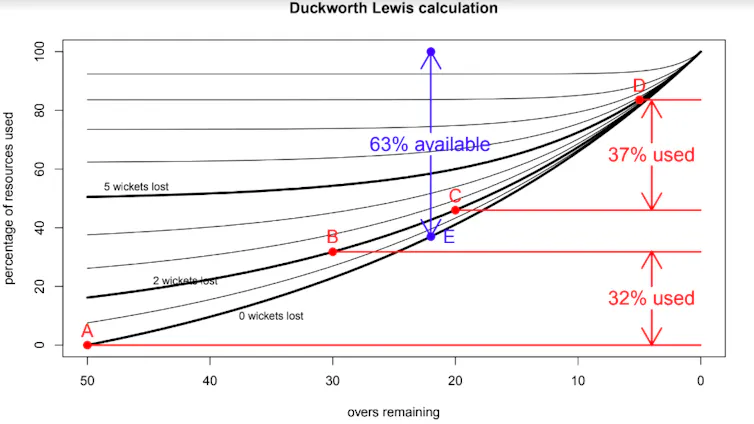
The DLS method solves this by considering:
Overs remaining
Wickets lost
Scoring resources available
👉 It tries to balance time + wickets + runs.
Where Is the DLS Method Used?
The DLS method is used in:
One Day Internationals (ODIs)
T20 matches
ICC tournaments
Domestic limited-overs cricket
❌ It is not used in Test cricket.
How Does the DLS Method Work? (Beginner Explanation)
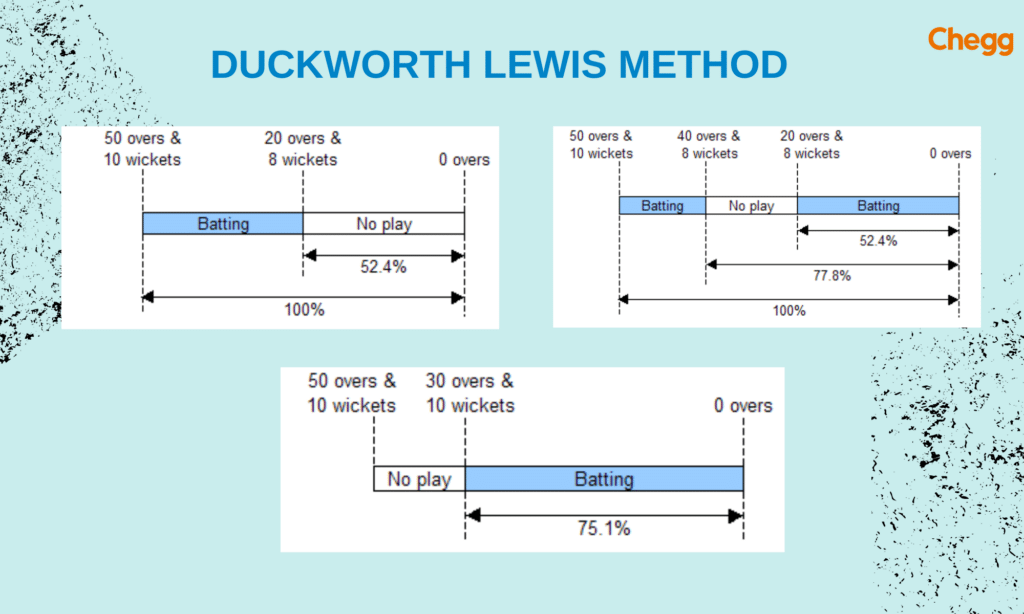
The DLS method is based on the idea that:
A team has fewer scoring resources if it has fewer overs or more wickets lost
So:
More overs + more wickets = more runs possible
Fewer overs + fewer wickets = fewer runs possible
The target is adjusted accordingly.
Simple DLS Method Example
Match Situation:
Team A scores 250 runs in 50 overs
Rain reduces Team B’s innings to 30 overs
Using the DLS method:
Team B gets a revised target (for example, 180 runs in 30 overs)
👉 This revised target is calculated using a standard DLS formula.
What Are “Resources” in DLS?
In DLS:
Overs remaining = time resource
Wickets in hand = scoring resource
Losing wickets early reduces resources, even if overs remain.
That’s why teams protect wickets in rain-affected matches.
DLS Method vs Normal Target
| Normal Match | DLS-Affected Match |
|---|---|
| Fixed overs | Reduced overs |
| Fixed target | Revised target |
| No interruptions | Rain interruptions |
| Simple chase | Resource-based chase |
Why DLS Confuses Beginners
Beginners get confused because:
Target can increase or decrease
Overs change suddenly
Required run rate jumps
Once you know it’s about fairness, it becomes easier to understand.
Is the DLS Method Fair?
Most of the time — yes.
While it may look strange:
It is statistically tested
Used worldwide
Accepted by players and officials
👉 It is the best available method so far.
Final Summary (Beginner Friendly)
Remember:
DLS is used when rain interrupts matches
It revises targets fairly
Used only in ODI and T20 cricket
Based on overs + wickets
Helps decide results fairly
Understanding DLS helps you enjoy rain-affected matches without confusion.
Frequently Asked Questions
Is DLS used in Test cricket?
No, only in limited-overs formats.
Can the target increase after rain?
Yes, sometimes it can.
Who decides the DLS target?
Match officials using the DLS system.
Beginner Question 👇
Have you ever been confused by a DLS-affected match result?
No comments:
Post a Comment