In the first Test series that ever used cricket's review system, Sri Lanka succeeded with eleven reviews. India succeeded with one. That was July 2008, India against Sri Lanka in Colombo, and Virender Sehwag became the first batter in Test history given out by a piece of technology rather than a human alone. India's captain Anil Kumble had asked for the very first review of all, after the umpire turned down Harbhajan Singh's LBW appeal against Malinda Warnapura. The system worked. Almost nobody involved thought it worked well.
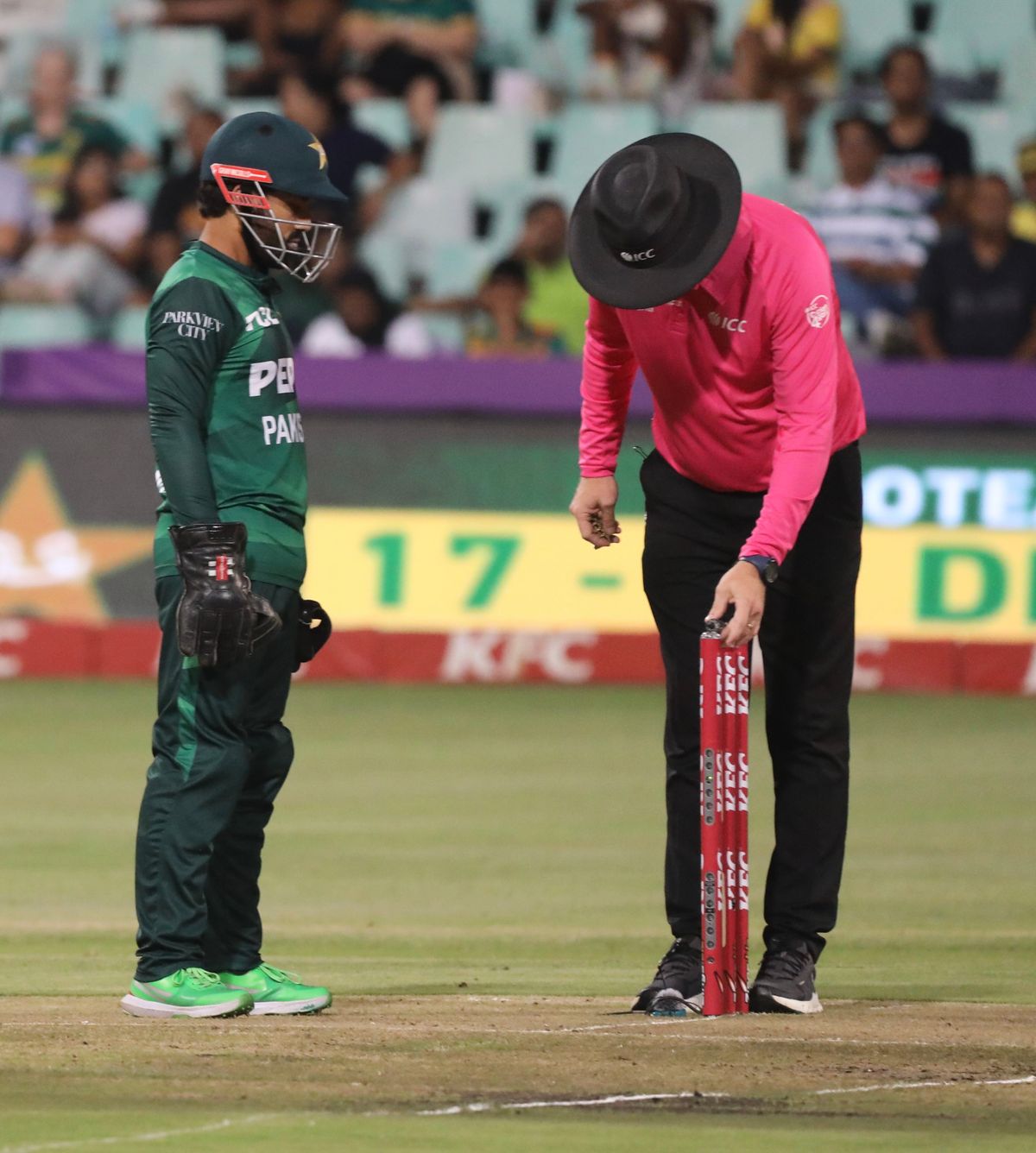
Photo via Pexels
By the end of this you will know what a team is actually allowed to review, how many chances each side gets and what "umpire's call" means when the giant screen freezes on a wobbling red line and the crowd groans without quite knowing why.
What DRS actually is
DRS stands for Decision Review System. It is not one piece of technology but a process, a set of tools and a protocol that helps match officials get decisions right without handing the decision to a computer. The ICC officially launched it on 24 November 2009, in the first Test between New Zealand and Pakistan, more than a year after that rocky trial in Sri Lanka.
There are two separate versions of a review, and commentators often blur them together. An Umpire Review happens when the on-field umpires choose to consult the third umpire themselves, usually for boundary catches, run outs or no-balls. Nobody on the field has to ask for it and it costs a team nothing. A Player Review is different. The fielding captain, or the batter who has just been given out, requests it, and it draws on a limited pool of chances that can run out.
India's cricket board refused to use DRS in its bilateral series for years, unconvinced the ball-tracking element was reliable enough to overturn a human umpire's judgement. That disagreement shaped the sport's politics for the best part of a decade.
The technology behind a review
Ball tracking
Six cameras follow the ball from the bowler's hand to the point it strikes the pad, and a computer model projects where it would have travelled next. This is the tool behind almost every LBW review, because an umpire has to judge something that has not actually happened: would the ball have gone on to hit the stumps? Ball tracking turns that judgement into a plotted line, tested against the same conditions covered in our full breakdown of the LBW law.
UltraEdge
A sensitive microphone built into the stumps records audio as the ball passes the bat, and software reads the sound wave for the sharp spike a genuine edge produces. Combined with slow-motion video, this is how the third umpire tells a real nick on the bat from the ball simply passing close to it.
Hot Spot
Infrared cameras pick up the faint heat that friction creates the instant the ball touches something. A bat edge, a glove or a pad each show up as a small white mark on the infrared image. It appears less often than it did a decade ago, mostly because the cameras and operators are expensive to fly to every ground, but broadcasters still bring it in for major series.
Umpire Review or Player Review, side by side
| Umpire Review | Player Review | |
|---|---|---|
| Who calls for it | The on-field umpires, on their own | The fielding captain, or the batter given out |
| Typical use | Run outs, boundary catches, no-balls | LBW, caught behind, stumping, hit wicket |
| Time limit | None | 15 seconds to signal a T |
| Costs the team a review | No | Only if the review fails |
Test, ODI and T20 international cricket all currently allow two unsuccessful Player Reviews per innings for each side, a number the ICC has settled on after years of adjusting it format by format. That wasn't always the case. Our guide to the differences between Test, ODI and T20 cricket covers plenty of other rules that still vary even though this one, for now, doesn't.
What happens in the fifteen seconds after a wicket
A batter given out, or a fielding captain whose appeal was turned down, has fifteen seconds from the moment the ball becomes dead to ask for a review. They signal by drawing a T shape with both forearms above the head. Miss that window and the on-field umpires can simply refuse the request outright.
The steps a third umpire works through once a Player Review is granted.
Once a review is granted, the third umpire works through the available technology out loud, usually over the stadium's big screen so the crowd can follow along, and confirms one of three outcomes: the original decision stands, it is overturned or it stands specifically because the evidence wasn't conclusive enough to overturn it, which is umpire's call. A captain has to weigh all of this in real time under pressure, which is part of why what a captain is actually responsible for during a match extends well past picking the field. The same clock and the same T signal apply when a batter is given run out under pressure, a dismissal covered in our guide to how a run out actually works.
Umpire's call, the most misunderstood part
For an LBW review, three questions all have to fall the batter's way for a decision to be overturned: did the ball pitch in a legal area, did it strike the batter in line and would it have gone on to hit the stumps. If ball tracking shows more than half the ball hitting the stumps, that counts as a genuine strike. Anything less and the on-field umpire's original call survives, whichever way it went, because the technology accepts it cannot be certain enough at the margins to overrule a person standing right there.
From July 2025 the ICC changed exactly where that margin sits. The zone counted as hitting the stumps used to stop at the bottom of the bails. It now runs to the top of them, using the real physical outline of the stumps and bails rather than a narrower projection. The practical effect is that some deliveries which used to survive as umpire's call, not out, are now given out outright, because more of the wicket counts as a fair target than it did a year ago.
Read next
- What is stumping in cricket?, because a keeper's glove-work produces some of the fastest reviews a third umpire ever has to judge.
- What does LBW mean in cricket?, for the full detail behind the three questions ball tracking is testing against.
- The role of a captain in cricket, since deciding whether to burn a review under pressure is a captaincy skill in its own right.
Does a successful review cost a team anything?
No. Only unsuccessful reviews come off a team's total. A correct review leaves the count exactly where it was, so sides are penalised for wrong guesses rather than for asking at all.
Does DRS cover every way a batter can get out?
No. It is used for LBW, caught behind, run out, stumped and hit wicket, but it plays no part in decisions like a batter retiring hurt, and it isn't used to adjudicate obstructing the field.
Why did India resist DRS for so long?
The board's objection centred on ball tracking's predictive element, forecasting where a ball would have gone rather than showing what actually happened. That scepticism kept India out of DRS in its own bilateral series for years even as the rest of international cricket adopted it.
How many reviews does a team get in a T20 international?
Two unsuccessful reviews per innings, the same as Tests and ODIs. The count used to differ across formats before the ICC settled on a single standard.
Next time a big screen freezes on a wavering red line before a decision flashes up, look at how much of the ball sits inside the stumps outline rather than just whether the line touches it. Since July 2025 that outline runs to the top of the bails, and that one change is quietly turning some old umpire's calls into fresh wickets.
No comments:
Post a Comment