What Is Infield and Outfield in Cricket? (Field Layout Explained)
If you’re new to cricket, you may hear commentators refer to the infield and outfield while describing field placements and scoring shots. Understanding these two areas is essential to understanding cricket strategy, fielding positions, and scoring opportunities.
The cricket field is divided into different zones, and each zone plays a key role in how teams defend runs and take wickets.
This guide explains what the infield and outfield are, their importance, and how they affect gameplay.
🏏 What Is the Infield in Cricket?


The infield is the area of the cricket ground closest to the pitch.
In limited-overs cricket, it is marked by a circle drawn around the pitch.
Key Characteristics:
✔ Located near the pitch
✔ Includes close fielding positions
✔ Important for stopping quick singles
✔ Critical during powerplays
🏏 What Is the Outfield in Cricket?

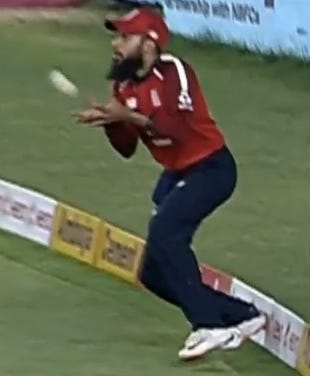


The outfield is the area beyond the infield circle extending to the boundary rope.
Key Characteristics:
✔ Covers the largest part of the field
✔ Prevents boundaries (fours & sixes)
✔ Requires speed and strong throwing
✔ Used for defensive field settings
🏏 Difference Between Infield and Outfield
| Feature | Infield | Outfield |
|---|---|---|
| Distance from pitch | Close | Far |
| Fielding focus | Stop singles | Prevent boundaries |
| Positions | Close catchers & circle fielders | Deep fielders |
| Strategy role | Pressure batters | Limit big shots |
| Powerplay role | Restricted fielders | Limited placement |
🏏 Common Infield Positions
Infield fielders are positioned to prevent easy runs and create wicket chances.
Popular Infield Positions:
✔ Slip
✔ Gully
✔ Point
✔ Cover
✔ Mid-off
✔ Mid-on
✔ Square leg
✔ Short leg
These positions are used to stop quick runs and catch edges.
➡️ Read: Cricket Fielding Positions Explained (internal link)
🏏 Common Outfield Positions
Outfielders defend boundaries and stop big scoring shots.
Popular Outfield Positions:
✔ Deep cover
✔ Long-off
✔ Long-on
✔ Deep square leg
✔ Third man
✔ Fine leg
✔ Deep midwicket
Outfielders require speed, stamina, and powerful throws.
🏏 Role of the Infield in Cricket Strategy
The infield plays a crucial role in controlling scoring.
✔ Prevent Quick Singles
Close fielders stop batters from taking easy runs.
✔ Create Pressure
Tight infield placement forces risky shots.
✔ Increase Run-Out Opportunities
Quick throws can produce run-outs.
✔ Catching Opportunities
Close catchers take edges from batters.
🏏 Role of the Outfield in Cricket Strategy
The outfield helps limit big scoring shots.
✔ Prevent Boundaries
Outfielders save fours and sixes.
✔ Force Batters to Run More
Stopping the ball inside the boundary turns boundaries into singles or doubles.
✔ Strong Throws to Wicketkeeper
Accurate throws can create run-out chances.
🏏 What Is the 30-Yard Circle Rule?
In limited-overs cricket, a 30-yard circle defines the infield.
Powerplay Fielding Rules:
✔ Only a limited number of fielders allowed outside the circle.
✔ Encourages aggressive batting.
✔ Creates scoring opportunities.
➡️ Also read: Powerplay Rules in Cricket (internal link)
🏏 How Infield & Outfield Affect Scoring
Infield Impact:
Tight field → fewer singles
Close catchers → wicket chances
Outfield Impact:
Deep field → fewer boundaries
Fast field → more twos & threes
Teams adjust field placement based on match situations.
🏏 How Captains Use Field Placement Strategically
Captains adjust infield and outfield positions based on:
✔ Batter strengths
✔ Match format
✔ Required run rate
✔ Pitch conditions
✔ Game situation
Good field placement can win matches.
🏏 Why Fielding Skills Differ Between Infield & Outfield
Infield Fielders Need:
✔ Quick reflexes
✔ Fast decision-making
✔ Sharp catching skills
✔ Accurate short throws
Outfield Fielders Need:
✔ Speed and stamina
✔ Long-distance throwing strength
✔ Boundary awareness
✔ Sliding and diving techniques
Both roles require specialized skills.
🏏 Importance in Different Formats
🏏 Test Cricket
Balanced infield & outfield for wicket-taking and run control.
🏏 ODI Cricket
Field restrictions shape strategies.
🏏 T20 Cricket
Outfield defense is critical due to aggressive batting.
➡️ Read: Test vs ODI vs T20 Differences (internal link)
🏏 Quick Summary
✔ Infield is the area close to the pitch.
✔ Outfield extends to the boundary rope.
✔ Infield stops singles and creates wicket chances.
✔ Outfield prevents boundaries and saves runs.
✔ Field placement is crucial to match strategy.
No comments:
Post a Comment