On 31 May 2026, the ICC board met in Ahmedabad under chairman Jay Shah and approved something Test cricket has never allowed before: a match can change the colour of its ball partway through a day's play. Bowl 75 overs with the red ball, watch the light start to fade, turn on the floodlights, and finish the day with pink. That is not a hypothetical. It is written into the new playing conditions, due to come into force on 1 October 2026.
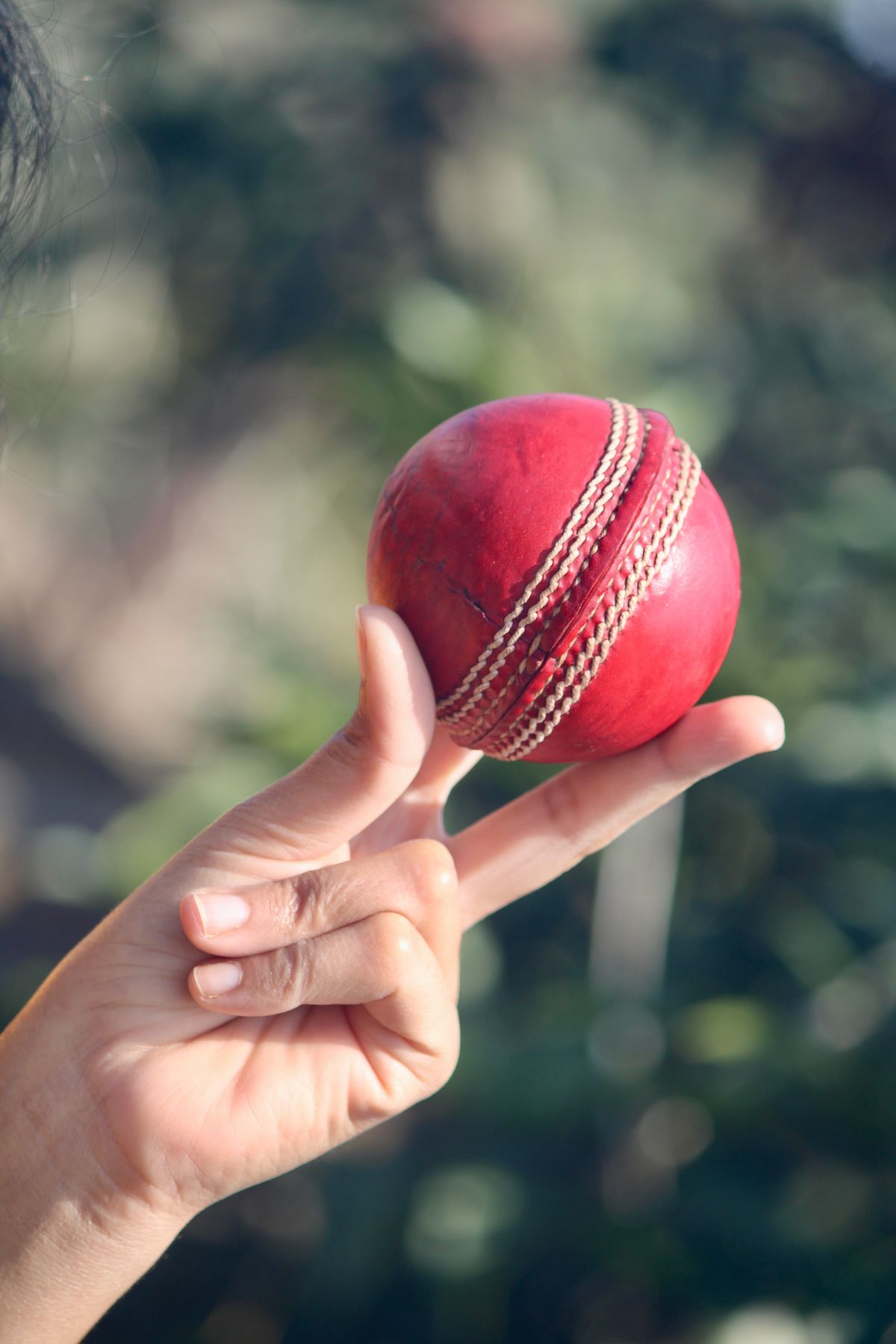
Photo via Pexels
By the end of this you will know what the rule actually permits, how the switch is meant to work during a day's play, why bad light has been a headache in Test cricket for so long, and why at least one international batter thinks the change quietly favours bowlers.
What the rule actually says
Every Test still starts with a red ball, as it always has. The new rule only applies once bad light becomes a real threat to the day's play. If both teams have agreed in advance, an umpire can call for the floodlights and switch to a pink ball to finish the overs that would otherwise be lost.
The word "agreed" is doing a lot of work here. Neither captain can ask for the change mid-match because they fancy how it might behave off the seam. The ICC has been explicit that this is not meant to hand either side a tactical edge. Both boards have to sign off before a ball is bowled in the match, or even before the series starts, so the option either exists for the whole contest or it does not exist at all.
A day's play, worked through
The ICC's own example is a scheduled 90-over day. Say 75 overs are bowled in reasonable light with the red ball. As the afternoon fades, instead of the umpires taking the players off, the floodlights come on and the remaining 15 overs are played with a pink ball, which shows up better under lights and in poor natural light than red does.
A worked example the ICC used to explain the new rule: the later overs of a fading day move to pink ball under lights instead of being lost to bad light.
This is a direct response to a problem that has irritated players and broadcasters for decades. Umpires have long had the power to stop play once they judge conditions unsafe or unfair, and grounds around the world lose overs to bad light every season, even in matches with no rain in sight. A day-night Test already avoids this by starting with a pink ball from the first over, so this new rule effectively borrows that solution for ordinary red-ball Tests, but only for the last stretch of an affected day.
Why pink instead of just red under lights
Cricket has tried playing red-ball cricket under floodlights before, and the ball simply disappears against a dark sky far sooner than administrators would like. Pink dye is more visible in fading light and under artificial lighting, which is the entire reason day-night Tests exist already.
The two balls do not just look different, they behave differently too. A pink ball carries a thicker lacquer coating so its shine and seam last longer into an innings, which changes how much it swings and when. Bowlers spend a long time working on the red ball's condition, and the routine of shining one side of the ball to keep it swinging is a core part of red-ball cricket. A pink ball needs less of that maintenance because the extra coating already keeps it doing more for longer.
| Red ball | Pink ball | |
|---|---|---|
| Coating | Thinner lacquer, wears off as the seam roughens | Thicker lacquer to stay visible longer, so the shine and seam last |
| Best visibility | Bright daylight | Twilight and under floodlights |
| Swing behaviour | Swings early, then reverses late as the ball roughens | Tends to hold its shine and swing for longer into an innings |
| Traditional use | Every session of a Test since the format began | Day-night Tests only, until this rule |
There is a cultural angle too. Test cricket has been played by batters in white kit with a red ball since the format began, and that pairing is part of the reason whites became the tradition for the five-day game. Swapping the ball colour mid-session, even briefly, is a bigger break from that history than it might sound.
Not everyone is convinced
South Africa's Rassie van der Dussen has been publicly critical of the change, arguing that batters already find the pink ball harder to face than the red one and that pushing more cricket towards it will tilt the balance further towards bowlers. That is a defensible position. Pink-ball innings across day-night Tests have tended to be lower-scoring than red-ball ones in similar conditions, and a mid-match switch means batters have to adjust technique on the fly rather than preparing for a whole match in one mode.
Other changes from the same meeting
The pink ball trial was not the only decision the ICC board passed that day. Match officials can now view Hawk-Eye ball-tracking data when they are deciding whether to report a bowler's action as suspect, rather than relying only on what the naked eye sees, the same technology already central to how the third umpire rules on DRS reviews and how it settles a tight shout for LBW.
The board also approved letting head coaches onto the field during drinks breaks in Tests and ODIs, made the trial leg-side wide rule permanent, and set a mandatory 15-minute interval in T20Is with batters expected to be ready to resume promptly. All of it takes effect from 1 October 2026, alongside the pink ball trial.
Read next
- What does LBW mean in cricket? The same ball-tracking data now used to check bowling actions is the tool umpires lean on for this decision.
- What is a day-night match in cricket? The format that has used a pink ball from the first over for years, and the model this new rule borrows from.
- What is DRS in cricket? Worth reading alongside the Hawk-Eye change for bowling actions passed at the same meeting.
FAQ
Will India play pink-ball Tests under this rule at home? Not necessarily. Both boards in a series have to agree in advance, and Indian teams have historically been reluctant to schedule pink-ball cricket at home partly because those Tests have tended to finish inside three days.
Does the pink ball swing more than the red ball? It tends to hold its shine and seam for longer because of its thicker lacquer, which can mean more consistent swing for a longer period rather than more swing overall.
Can a captain demand the switch mid-match if his bowlers are struggling? No. The ICC has stated plainly that the option exists only to deal with fading light and cannot be requested for tactical reasons once a match has started.
What happens to the red ball once the pink one comes on? Play simply continues with the pink ball for the rest of the overs affected by poor light. The next day, assuming conditions allow, the match reverts to the red ball.
Next time a Test drifts past mid-afternoon under grey skies, watch what the umpires do before they reach for the bad light meter. If the boards agreed to this beforehand, you may see the floodlights click on and a pink ball come out of the box instead of the players walking off early.
No comments:
Post a Comment