The ball flies off the bat's edge at pace. A slip fielder has roughly 0.3 seconds to react, move, and complete the catch. Miss it, and the chance is gone.
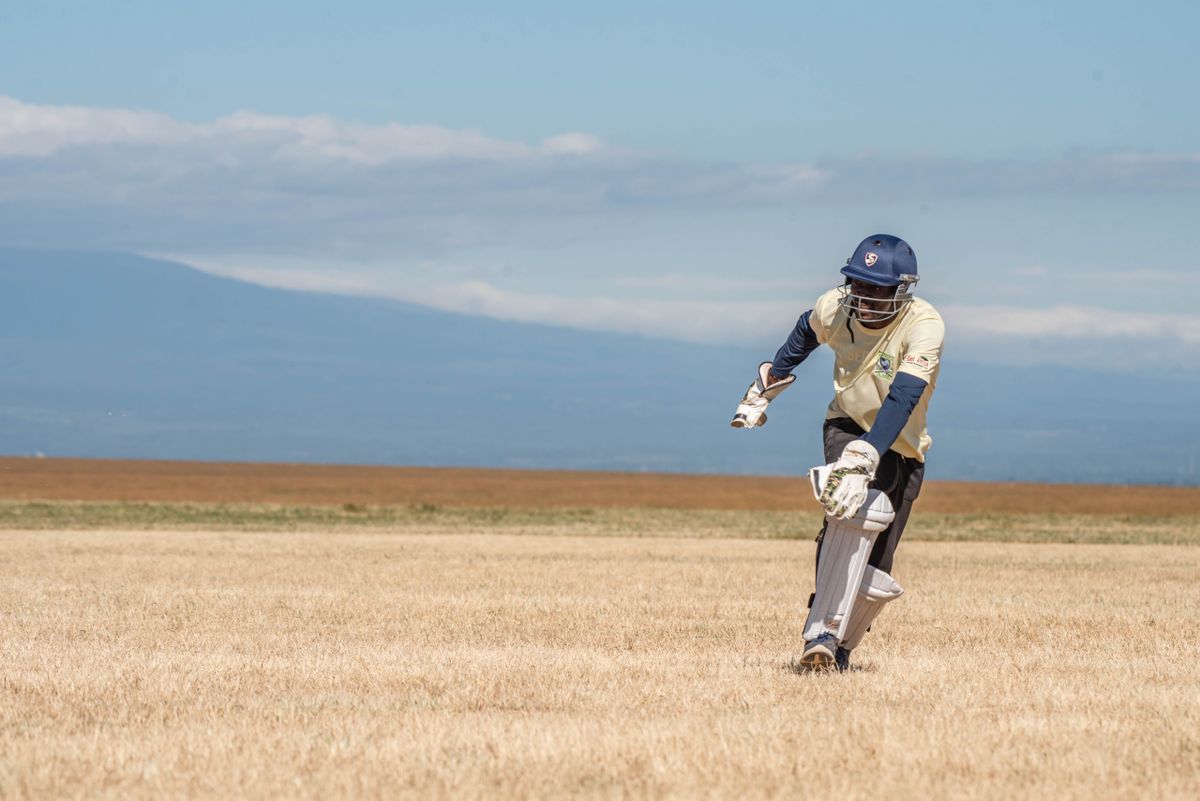
Photo via Pexels
Why slip fielding matters
Slip fielders take more catches than any other position in Test cricket. The edge is the most common dismissal after bowled and LBW. A side with reliable slip catchers creates pressure that builds wickets. A side that drops them loses matches they should win.
The skill required
Slip fielding demands concentration for hours, fast hands, and the ability to read the bat angle. A slip fielder watches the batter's hands, the bat's angle, and the ball's trajectory simultaneously. The best slip fielders catch the ball with soft hands that give on contact, reducing the chance of it popping out.
Where slip fielders stand
First slip stands closest to the wicketkeeper. Second slip is wider. Third slip is wider still. Gully stands squarer, almost behind the batter. All wait for the edge that comes when a batter drives at a moving ball and misses the middle.
Read next
FAQ
Why do only some fielders field in the slips? Slip fielding requires specific skills: fast reactions, safe hands, and the ability to concentrate for long periods. Not every fielder has these.
Do slips exist in T20 cricket? Rarely. T20 fields are spread to save boundaries. Slips appear only in the first over of a T20 innings, if at all.
Watch the slips in the next Test match. When the ball edges, they make it look easy. It is not.
No comments:
Post a Comment