When a delivery strikes a batter on the pads and the fielding side appeals for leg before wicket (LBW), television broadcasts immediately display Hawk-Eye tracking projections. Yet even when the ball trajectory graphic shows the ball clipping the outer edge of the stumps, the original on-field decision stands. This margin of uncertainty in ball-tracking technology is officially designated as umpires call.
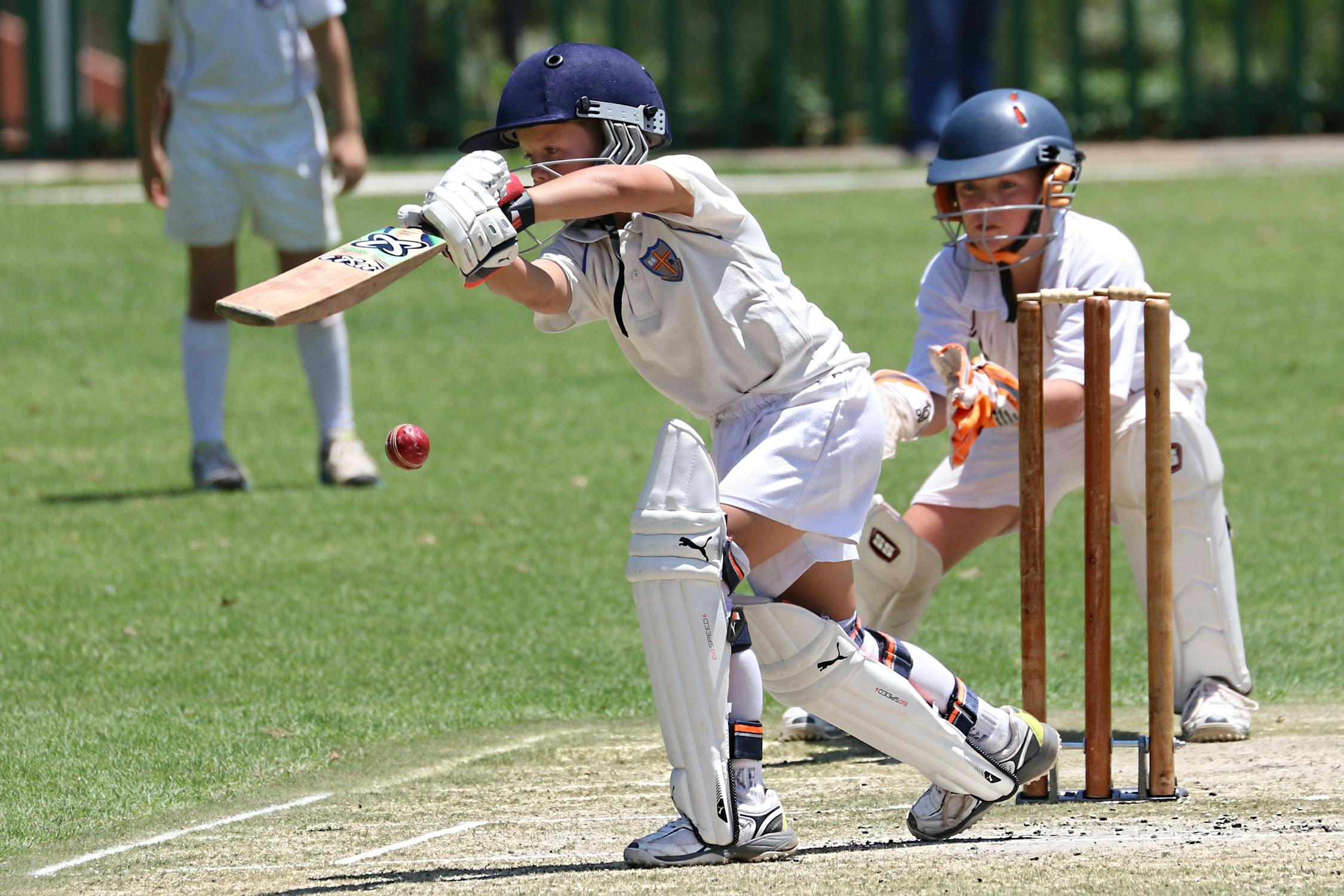
What Umpires Call Actually Means
The Decision Review System (DRS) relies on ball-tracking cameras to predict where a delivery would have travelled had it not struck the batter's equipment. Because optical tracking software operates within a statistical margin of error, protocol dictates that technology cannot overrule human judgement unless a clear error occurred.
Umpires call serves as a buffer zone. It signifies that ball-tracking data shows the impact or ball path is too close to call with 100 percent certainty. Rather than guessing, the system defers to the original decision made by the on-field official.
The Three DRS Review Components for LBW
When an LBW decision is referred to the third umpire, three distinct points along the delivery path are evaluated sequentially:
1. Pitching Zone
The ball must pitch either in line with the stumps or on the off side. If the ball pitches on the leg side, the batter cannot be given out LBW, regardless of where the ball was heading. If less than 50 percent of the ball pitches inside the pitching zone line, it returns an umpires call classification on pitching.
2. Impact Zone
This assesses where the ball first struck the batter's pad or body. For an out decision when the batter is playing a shot, the center of the ball must impact inside the area between wicket and wicket. If the center of the ball is on the outer edge of this zone line, umpires call applies.
3. Wicket Zone (Stumps Target)
This projects whether the ball would have hit the stumps. For a decision to be overturned from Not Out to Out, more than 50 percent of the ball must be projected to hit the stumps (including the crossbar/bails). If less than 50 percent of the ball is projected to hit, the decision stays with the on-field umpire.
Understanding target margins is equally vital in run-chase situations. You can learn more about target management in our guide on how the Duckworth-Lewis-Stern method works.
Why Reviews Are Retained on Umpires Call
Under International Cricket Council (ICC) regulations, if a review returns an umpires call verdict on any parameter, the team requesting the review does not lose their review allocation. Because the technology confirmed that the decision was within a reasonable margin of doubt, teams are not penalized for challenging marginal calls.
This rule change significantly improved team tactics. Previously, teams hesitated to review genuine close calls out of fear of burning their limited reviews early in an innings. To understand how tactics differ across overs, read our guide on powerplay rules in T20 and ODI cricket.
Common Misconceptions About DRS Technology
- Misconception: The system claims to know the exact path of every ball with zero error.
Reality: Predictive tracking uses high-speed cameras to calculate probability cones. Umpires call explicitly acknowledges statistical limits. - Misconception: Umpires call favours the fielding team.
Reality: Umpires call always upholds the original on-field ruling, meaning it protects Not Out decisions just as often as Out decisions.
Read next
- How the Duckworth-Lewis-Stern Method Works — Detailed breakdown of rain-affected match run targets.
- Understanding Required Run Rate in T20 Cricket — How pacing and pressure alter second-innings tactics.
Frequently Asked Questions
Does a team lose a review if umpires call is returned?
No. When umpires call is returned on a review, the on-field decision stands but the reviewing team retains its review count without penalty.
How many reviews does each team get in a match?
In Test matches, teams receive 2 unsuccessful reviews per innings. In T20 Internationals and ODIs, teams receive 2 unsuccessful reviews per innings as well.
Can umpires call apply to catches or boundary checks?
No. Umpires call applies specifically to predictive ball-tracking elements in LBW reviews. Catch reviews and boundary decisions rely on conclusive video frames, UltraEdge sound waves, or side-on replays.
Observing DRS Signals in Your Next Match
When watching your next broadcast, pay close attention to the visual red and green indicators displayed during a DRS review. Understanding that umpires call is a protection mechanism for human decision-making rather than a technological flaw gives spectators a far clearer perspective on how modern umpiring operates under pressure.
No comments:
Post a Comment