When a white-ball cricket match begins, spectators immediately notice that only two fielders are permitted outside the 30-yard circle during the opening overs. This specific period of strict field placement restrictions is designed to encourage aggressive strokeplay from opening batters and is known as the powerplay.
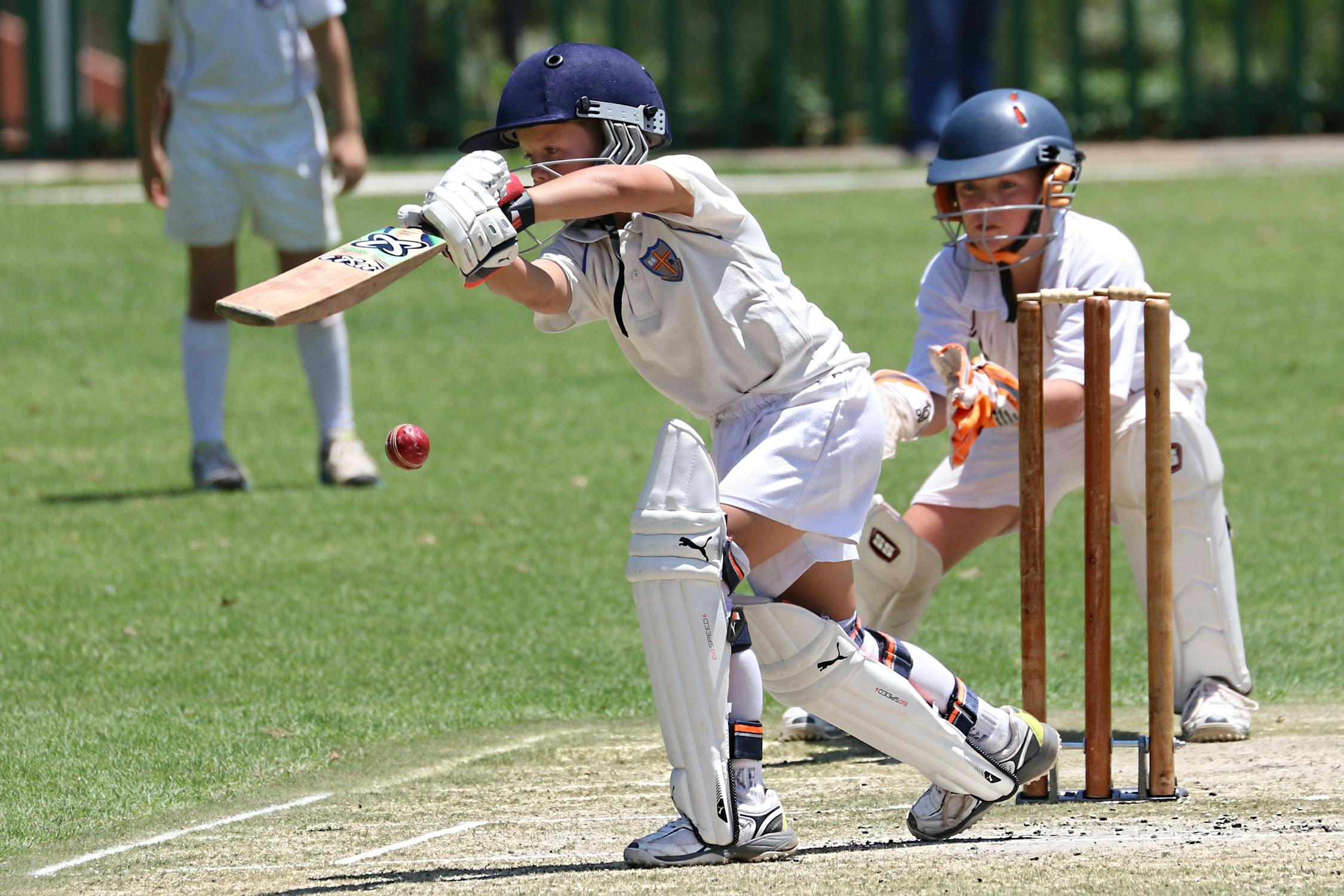
What Powerplay Restrictions Mean for Field Placement
In limited-overs cricket, the playing area is divided into two main zones: the close infield bounded by a 30-yard (27.4-metre) ellipse, and the outer outfield extending to the boundary rope. During non-powerplay overs, fielding captains can spread up to five fielders into the deep outfield to prevent boundaries.
During powerplay overs, however, strict limits are placed on how many fielders may stand in the deep outfield. This forces the captain to keep most fielders inside the 30-yard circle, creating large open gaps across the boundary line that batters can exploit with lofted shots or quick running.
Powerplay Structure in T20 Cricket
In a standard 20-over Twenty20 match, the powerplay takes place during the first 6 overs of each innings (overs 0.1 through 6.0):
- Mandatory Powerplay (Overs 1 to 6): A maximum of 2 fielders are allowed outside the 30-yard circle.
- Remaining Overs (Overs 7 to 20): A maximum of 5 fielders are allowed outside the 30-yard circle.
Because batters have 10 wickets in hand and only 20 overs available, opening batters often attack aggressively during the 6-over powerplay to build a high run rate early. If rain reduces a T20 match, the powerplay duration is reduced proportionally under ICC regulations.
The Three Powerplay Phases in One Day Internationals
Unlike T20 matches, a 50-over One Day International (ODI) divides field restrictions into three distinct phases across the 50 overs:
Phase 1: Mandatory Powerplay (Overs 1 to 10)
During the first 10 overs, a maximum of 2 fielders are permitted outside the 30-yard circle. Opening bowlers use the brand-new white ball to search for swing and seam movement, while opening batters balance boundary risk against early wicket preservation.
Phase 2: Middle Overs Powerplay (Overs 11 to 40)
From overs 11 through 40, a maximum of 4 fielders are permitted outside the 30-yard circle. Spinners and medium-pace bowlers usually bowl during this phase to control run scoring and build middle-overs pressure.
Phase 3: Death Overs Powerplay (Overs 41 to 50)
During the final 10 overs, a maximum of 5 fielders are permitted outside the 30-yard circle. Fielding captains spread their boundary riders into the deep to defend against late-overs power hitting.
Understanding target adjustments during rain-shortened powerplays is vital. You can read our guide on how the Duckworth-Lewis-Stern method works.
Tactical Shifts Between Opening and Death Overs
Opening bowlers use brand-new balls that swing in the air and bounce predictably. Bowlers aim for fuller lengths to induce edges, while batters attempt to hit over the infield while fielders are trapped inside the circle.
When reviewing close lbw or catching decisions made during high-tempo powerplay overs, technology plays a major role. Explore our analysis on understanding umpire's call in the Decision Review System.
Read next
- How the Duckworth-Lewis-Stern Method Works — Learn how target scores are recalculated when rain reduces powerplay overs.
- Understanding Umpire's Call in DRS — Discover how technology reviews work during fast-paced opening overs.
Frequently Asked Questions
What happens if a bowler bowls a no-ball during a powerplay?
In limited-overs cricket, any no-ball yields a free hit on the subsequent delivery. The fielding captain cannot change field placements for the free hit unless the batter has changed ends.
Does the powerplay length change if rain reduces overs?
Yes. In rain-reduced matches, playing conditions calculate the powerplay length proportionally based on the total overs available to each side.
Can fielders stand on the 30-yard circle line?
Fielders standing on or inside the 30-yard line are counted as inside the circle. If a fielder steps outside the line at the moment of delivery beyond the permitted count, the umpire calls a no-ball.
Watching Powerplay Strategy in Your Next Match
During your next limited-overs broadcast, pay close attention to where the fielding captain sets their two boundary fielders during overs 1 through 6. Seeing whether a captain protects deep mid-wicket or deep point reveals whether they expect the bowling attack to attack the stumps or short-pitched lengths.
No comments:
Post a Comment