Why Do Teams Change Ends in Cricket? (Rules Explained Simply)
If you’ve watched cricket closely, you may notice that players regularly switch ends of the pitch during a match. Bowlers change sides, batters swap positions, and fielders adjust accordingly.
This is not random — changing ends is an important part of cricket rules and strategy.
This guide explains why teams change ends, when it happens, and how it impacts the game.
🏏 What Does Changing Ends Mean in Cricket?


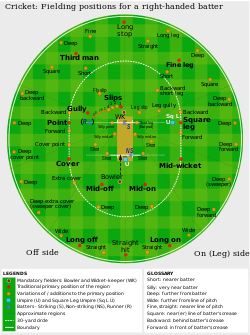
A cricket pitch has two ends:
Striker’s End – where the batter faces the ball
Non-Striker’s End – opposite side of the pitch
Changing ends means bowlers deliver from the opposite side, and batters switch ends after runs or overs.
🏏 When Do Teams Change Ends?
✅ 1. After Every Over
At the end of each over (6 balls), the bowler changes ends.
👉 A new bowler delivers from the opposite end.
➡️ Read: What Is an Over in Cricket? (internal link)
✅ 2. After Batters Complete Runs
When batters run between wickets:
✔ Odd runs → batters change ends
✔ Even runs → batters remain at same end
✅ 3. At the End of Each Session (Test Cricket)
In Test matches, teams change ends after:
✔ Lunch break
✔ Tea break
✔ End of day’s play
This ensures fairness regarding pitch wear and conditions.
🏏 Why Do Bowlers Change Ends?
Changing ends provides several strategic and practical benefits.
✔ 1. Maintain Fair Pitch Usage
One end of the pitch may wear faster. Switching ends ensures balanced play.
✔ 2. Use Different Bowling Angles
Bowlers may perform better from one end due to:
Wind direction
Run-up comfort
Pitch slope
✔ 3. Manage Footmark Wear
Fast bowlers create rough areas near the crease, which later assist spin bowlers.
🏏 Why Batters Change Ends After Runs
Batters change ends to:
✔ Ensure continuous play
✔ Maintain scoring fairness
✔ Allow both players to face deliveries
✔ Rotate strike strategically
➡️ Also read: How Runs Are Scored in Cricket (internal link)
🏏 How Changing Ends Affects Strategy
Changing ends influences:
🏏 Bowling Strategy
Bowlers choose preferred ends.
Spinners exploit rough patches.
🏏 Batting Strategy
Batters rotate strike to protect weaker players.
Right–left combinations disturb field settings.
🏏 Field Placement
Fielders adjust positions based on the new angle.
🏏 Do Wind & Ground Slope Matter?
Yes — professional teams consider:
✔ Wind direction affecting swing bowling
✔ Ground slope influencing ball movement
✔ Sunlight impacting batter visibility
Captains may choose specific bowlers for specific ends.
🏏 Why End Changes Matter More in Test Cricket
In longer matches:
✔ Pitch deteriorates unevenly
✔ Rough patches help spin bowlers
✔ Footmarks affect bounce & turn
Changing ends helps maintain fairness over multiple days.
🏏 Quick Summary
✔ Bowlers change ends after every over.
✔ Batters change ends after completing odd runs.
✔ End changes maintain fairness and pitch balance.
✔ Strategy, wind, and pitch wear influence decisions.
No comments:
Post a Comment