What Is Strike Rate in Cricket? (Batting & Bowling Explained Simply)


If you watch cricket and hear commentators mention strike rate, you might wonder:
What exactly is strike rate?
Why is it important?
Is batting strike rate different from bowling strike rate?
Don’t worry.
In this guide, you’ll learn what strike rate means in cricket, how it is calculated for both batting and bowling, and why it matters — explained in simple language for beginners.
👉 If you are new to cricket, you may first read Cricket Rules Explained Simply for Beginners to understand the basics.
What Is Strike Rate in Cricket? (Simple Meaning)
In cricket, strike rate measures speed and efficiency.
For batsmen → how fast they score runs
For bowlers → how quickly they take wickets
👉 Strike rate tells us how effective a player is.
🏏 Batting Strike Rate Explained
What Is Batting Strike Rate?
Batting strike rate tells us:
👉 how many runs a batsman scores per 100 balls faced.
It shows whether a player is aggressive or slow.
Batting Strike Rate Formula
Batting Strike Rate = (Runs Sc
ored ÷ Balls Faced) × 100Simple Example
Runs scored = 50
Balls faced = 40(50 ÷ 40) × 100 = 125
👉 The batsman’s strike rate is 125.
This means the player scores 125 runs per 100 balls.
Why Batting Strike Rate Is Important
Batting strike rate helps teams:
✔ score faster
✔ build pressure on bowlers
✔ accelerate during crucial oversA batsman with a high strike rate can change the match quickly.
Good Batting Strike Rate by Format
Format Good Strike Rate Test Cricket 50–70 ODI Cricket 80–100 T20 Cricket 120+ 👉 In shorter formats, a higher strike rate is more valuable.
🎯 Bowling Strike Rate Explained
What Is Bowling Strike Rate?
Bowling strike rate shows:
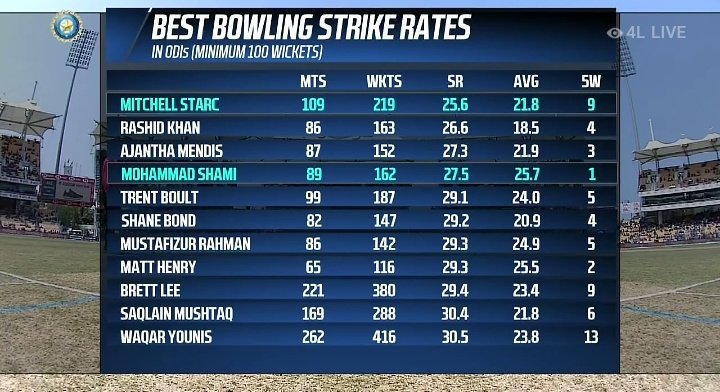
👉 how many balls a bowler needs to take one wicket.
✔ Lower strike rate = better performance
Bowling Strike Rate Formula
Bowling Strike Rate = Balls Bowled ÷ Wickets Taken
Simple Example
Balls bowled = 300
Wickets taken = 10300 ÷ 10 = 30
👉 The bowler takes one wicket every 30 balls.
That is a very good bowling strike rate.
Why Bowling Strike Rate Is Important
Bowling strike rate shows:
✔ how often a bowler takes wickets
✔ how dangerous the bowler is
✔ match-winning abilityFast wicket-taking bowlers are extremely valuable.
Good Bowling Strike Rate
Format Good Strike Rate Test Cricket Below 60 ODI Cricket Below 40 T20 Cricket Below 25 👉 Lower numbers are better for bowlers.
Strike Rate vs Batting Average (Simple Difference)
Many beginners confuse strike rate with batting average.
Strike Rate Batting Average Speed of scoring Consistency Runs per 100 balls Runs per dismissal Important in T20/ODI Important in Test cricket 👉 Learn more in What Is Batting Average in Cricket?
Strike Rate vs Economy Rate
Strike Rate → speed (runs or wickets)
Economy Rate → runs conceded per over
Both measure different skills.
👉 Learn more in What Is Economy Rate in Cricket?
Can Strike Rate Decide a Match?
Yes — especially in:
✔ T20 cricket
✔ run chases
✔ death oversA high strike rate batsman or a wicket-taking bowler can change the result quickly.
Common Beginner Confusions
❌ Higher strike rate is always better
❌ Strike rate matters equally in all formats
❌ Batting and bowling strike rate are the same✔ Context matters
✔ Format matters
✔ Player role mattersFAQs
❓ Is strike rate important in Test cricket?
Yes, but batting average is more important in longer formats.
❓ Can a batsman have a high strike rate but low average?
Yes. Aggressive players may score quickly but get out early.
❓ Is a higher bowling strike rate good?
No. Lower bowling strike rate is better.
Just tell me 👍
ways a batsman can get out in cricket, explained simply for beginners.
No comments:
Post a Comment